
How to Plan a High-Quality Home Renovation That Will Truly Last
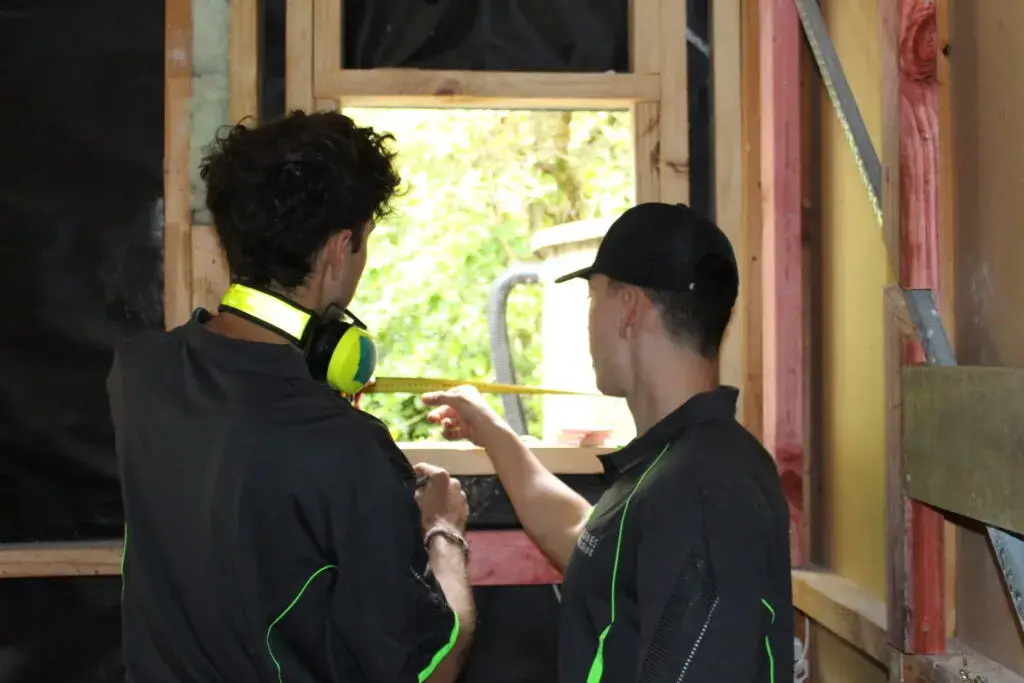
The majority of renovations in which things don’t go right are not on the site. They go wrong weeks or months in advance when decisions were made hastily, budgets were estimated, and the scope was poorly defined. That familiar tale of unexpected costs, delayed schedules, and disappointing finishes? It almost always traces back to the planning stage. Working with quality home builders in New Zealand from the very beginning changes that entire outcome.
A great renovation isn’t a stroke of luck. It’s the result of clear thinking, realistic expectations, and confident early decisions.
How to plan a high quality home renovation is a huge difference between an enjoyable build that leaves you with a smile and projects that seem never-ending.
Why Should Homeowners Consider Renovating Their Homes?
A home renovation is more than aesthetic upgrade to your living space, it is an investment for a better life. Makeover on the outside: If you want your home to add functionality, increase in value or just look a little fresher from the outside then an exterior redo/remodel can be in order and even a planned one can work wonders. Using it gives you the possibility to customize your home better according to your requirements and choices, which go a long way toward using every square foot of nooks and crannies.
Renovations also let you tackle big problems in your home — plumbing or electrical wiring issues, structural damage, or simply dated fixtures. Identifying these issues does not only render your home safer and more efficient; It can also alert you to potential repairs when they’re still small fixes, instead of turning into larger repairs later. If you correct these problems in a renovation, it will save you time and money down the line.
The world of 2026: Our homes are our peace. With an intelligent renovation, you can make that space — tired, out-of-date and cluttered — into an uncluttered, detoxifying retreat where you go to settle in and recharge. Right through the open-plan living space, a kitchen redesign and an extra bathroom, the growth potential is enormous. The first and most important thing for a reno is that you do due diligence to make sure the space will be compatible with your lifestyle and goals.
What makes a house good quality?
Quality isn’t only about pretty finishes or nice tiles. It’s about what works in a house five, 10, 15 years down the line.
In short, there’s a build quality that is not only craftsmanship that withstands strain over time; it is selection of materials for long-term durability rather than cosmetic appeal; crisp and clear communication between builder and buyer; in the long assessment of the sustainability of impact. These are all what turns a home that actually works better, not just with an upgraded handover.
Start With a Clear Vision and Realistic Scope
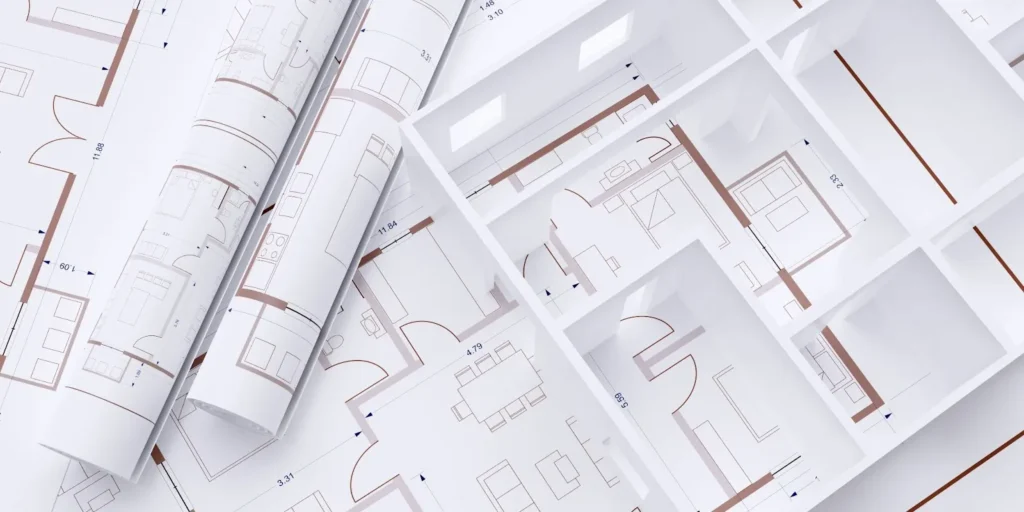
Unclear goals are expensive. When homeowners go into a renovation process without a definite scope of work, mid-build changes are practically guaranteed, and those changes cost time, money, and momentum.
First, ask what isn’t working in the current space (as a function of how the household lives), what “better” really is, and the difference between non-negotiables versus nice-to-haves. Lifestyle needs should lead every decision. A family with children has completely different priorities compared to a couple preparing a home for retirement. When the scope reflects real life, the renovation delivers real results. This is the foundation of any solid home renovation process.
Start With a Clear Vision and Realistic Scope
Under-budgeting is one of the most common reasons renovations fall apart. Projects are hurried and will be of lower quality when funding runs out midway. Solid renovation planning steps always begin with honest budget conversations:
Establishing a clear and realistic budget is one of the most critical steps in any home renovation project. A good budget keeps costs from leaking over the sides, so projects can finish that aren’t halfway-down the drain. First determine how much you’re comfortable budgeting and then break that down into categories, such as materials, labor, permits and contingencies.
When it comes time to budget, we suggest you do your due diligence and obtain at least a couple of contractor/supplier quotes. This will help you understand the market rates better and make informed decisions. Just make sure not to forget a contingency fund (10–20% of your total budget) for any unexpected costs that pop up. They could include unforeseen structural issues, variable material costs or additional work required.
Be sure to keep an eye on the expenditure through renovations — you don’t want to go overbudget. Use spreadsheets or budgeting apps to track your expenses and adjust if needed. If you stay organized and are strict about your finances, you should be able to avoid overspending and ensure that your renovation project comes in on schedule and within budget.
- Allow for hidden issues, especially in older homes where surprises inside walls and under floors are common
- Invest in materials that last, rather than choosing the cheapest option available
- Avoid “lowest quote wins” thinking, because that approach rarely leads to the outcome homeowners actually want
A realistic contingency of ten to fifteen percent is worth building in from day one. It’s preparation, not pessimism.
Work With a Builder Who Understands Kiwi Homes and Values Clear Communication
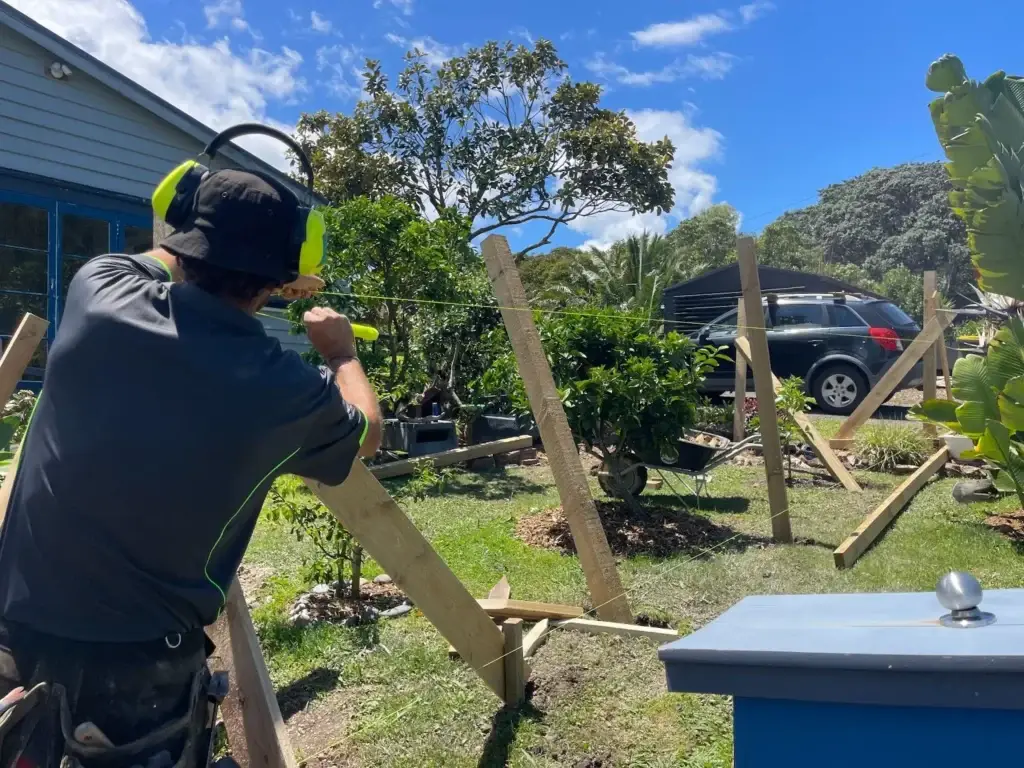
In New Zealand, choosing the right builder is one of the most important decisions you’ll make when renovating your home. A quality builder does so much more than just handle the build. They steer important decisions, raise red flags in the early stages, and enable quality to shine from the first planning meeting to final handoff.
It’s that mentality at MJones Building that is the essence of every project. We contract with homeowners to create a well-integrated, collaborative partnership; we’re not just hired contractors. Whether extending a family home, renovating an iconic Kiwi villa or upgrading a well-loved living environment, each project is approached with genuine investment, quality build and properly-resourced sites.
Also of top priority is clear, calm communication. Renovating is daunting, but with a builder who keeps you in the loop and engaged at each stage of your project, it becomes much easier to manage — or even enjoyable!
The team knows that inviting a builder into your home is an act of trust. Building this trust comes in the form of honesty, reliability and work that holds up over time. With the right planning and a quality builder along for the ride, designing a high-standard home renovation in New Zealand doesn’t have to be an overwhelming process — but instead something like a partnership on the path to creating a home you’ll love for years.
What Level of Quality Checks Do You Expect During Construction?
Inspections and check-ins aren’t bureaucratic extras. They’re what prevent small issues from becoming expensive corrections later:
- Early site assessments to identify any conditions that could affect the build
- Mid-build checks to catch anything before it gets locked behind walls or under floors
- A thorough final walkthrough and sign-off, so nothing is left unresolved at handover
This kind of structured oversight is one of the clearest markers of renovation best practices, and it’s a habit that any reputable builder should welcome rather than resist.
Incorporating Sustainable Practices in Your Renovation
Sustainable home renovation is not only beneficial for the environment but also for your health and long-term savings. Start using systems that include energy-efficient components like LED lighting, high-efficiency appliances and smart thermostats. This way, those upgrades will help you reduce your power use and utility bills.
Select sustainable materials such as reclaimed wood, recycled glass and low-VOC (volatile organic compounds) paints. Not only are these types of materials more eco-friendly, but they’ll also boost a healthy indoor air quality. Explore innovative water savings solutions: Learn more about low-flow fixtures, rainwater harvesting systems and other water conservation solutions.
In fact, sustainable practices during your renovation can add value to your home. And new-home buyers have increasingly gravitated to green features and energy-saving upgrades. Making wise choices when it comes to options for homes minimize the impact on the environment, is going to help you design a home that much more sustainable and enjoyable, but its also going to give you the power of making your household far more marketable. Go green: If your new home is eco-friendly & healthy you have to make it a green renovation.
Conclusion
How to plan a high quality home renovation comes down to one core idea: decisions made early and made well protect the outcome at every stage. Disposable income for a good budget, lots of details already sorted out about what you want and need in the space, appropriate materials, and a considerate builder are not frills. They’re the benchmark every homeowner deserves.
Think long-term about the renovation, ask good questions, and trust the process when it comes from a solid foundation. The result shall speak for itself, not just on the day of completion but years to come.
Ready to Start Your Renovation the Right Way?
MJones Building works with Waiheke homeowners that want to do it right the first time. The team offers the craftsmanship, clarity, and long-term thinking that truly matters from our first conversation to final sign-off. Contact us to discuss your project and discover what a properly prepared renovation looks like.
FAQs
What’s the first step in planning a high-quality renovation? Everything is discussed and decided after clearly defining your objectives and boundaries.
How can budget blowouts be prevented? This is prevented by establishing a realistic budget including contingency funds and making key decisions early on, before they become urgent.
What do we mean by a “high-quality” renovation? From day one to the finished product, diligent planning, professional craftsmanship, hard-wearing materials and open lines of communication are in play.
How long should planning take? Long enough to make confident, considered decisions without being pressured into rushing choices that matter.
How do I choose the right builder? Look for proven craftsmanship, honest transparency, and a builder with a structured quality-control process already in place.