
- Home
- Blog
- Waiheke
New Builds
Hempcrete:
What it is and why it’s the future for high-performance sustainable building in NZ
Picture a winter morning in a typical New Zealand house. The windows are dripping with condensation, the air feels damp no matter how high the heater is turned up, and there is a faint smell of mould somewhere near the bathroom. For too many Kiwi homeowners, this scene is depressingly familiar. It is also exactly the kind of problem that has architects, builders, and researchers across the country looking seriously at hempcrete, a building material made from one of the oldest crops on earth.
So what is hempcrete, how does it actually work, and could it genuinely be part of the future of sustainable, high-performance housing in New Zealand? Let us dig into the details.
—
What exactly is hempcrete?
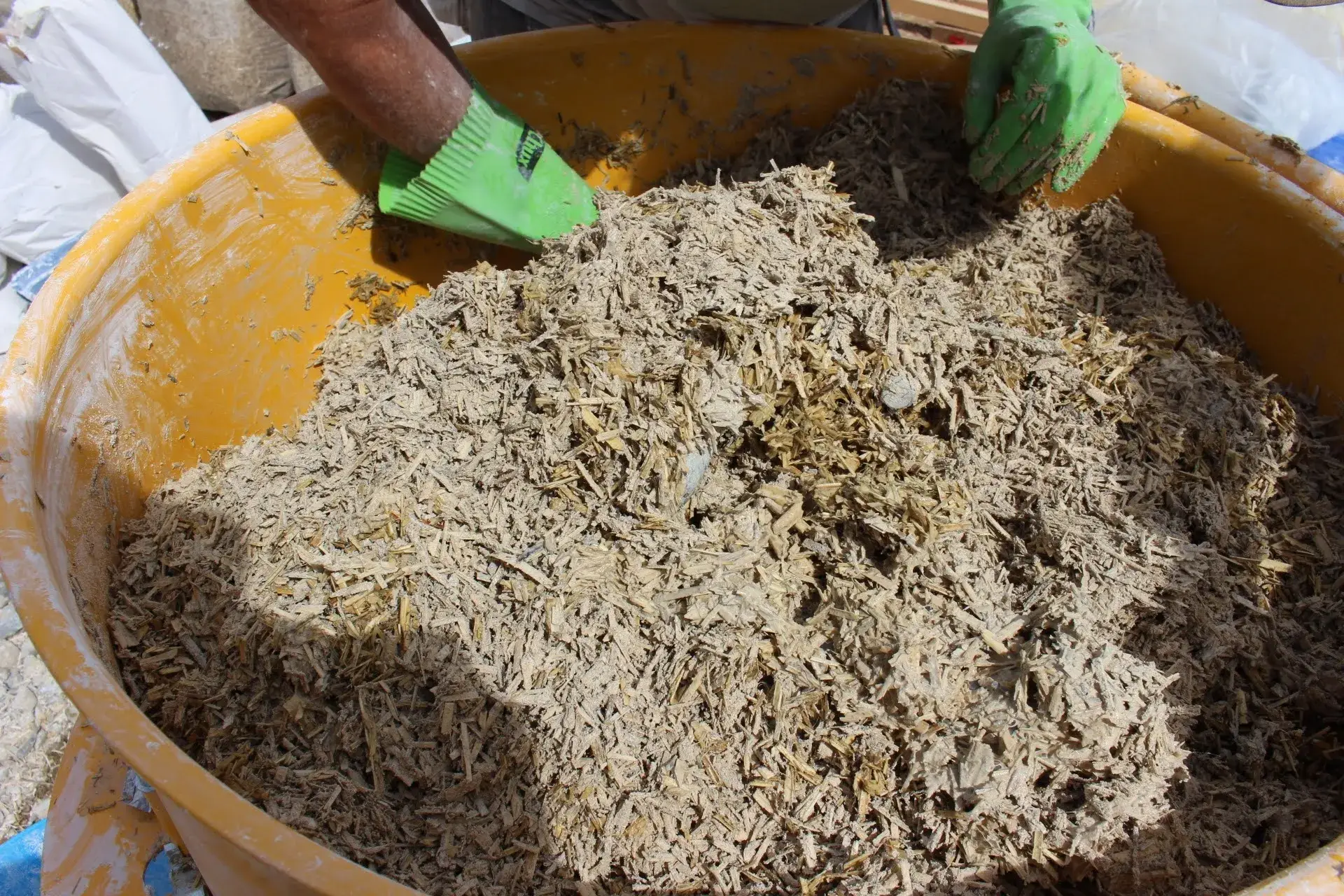
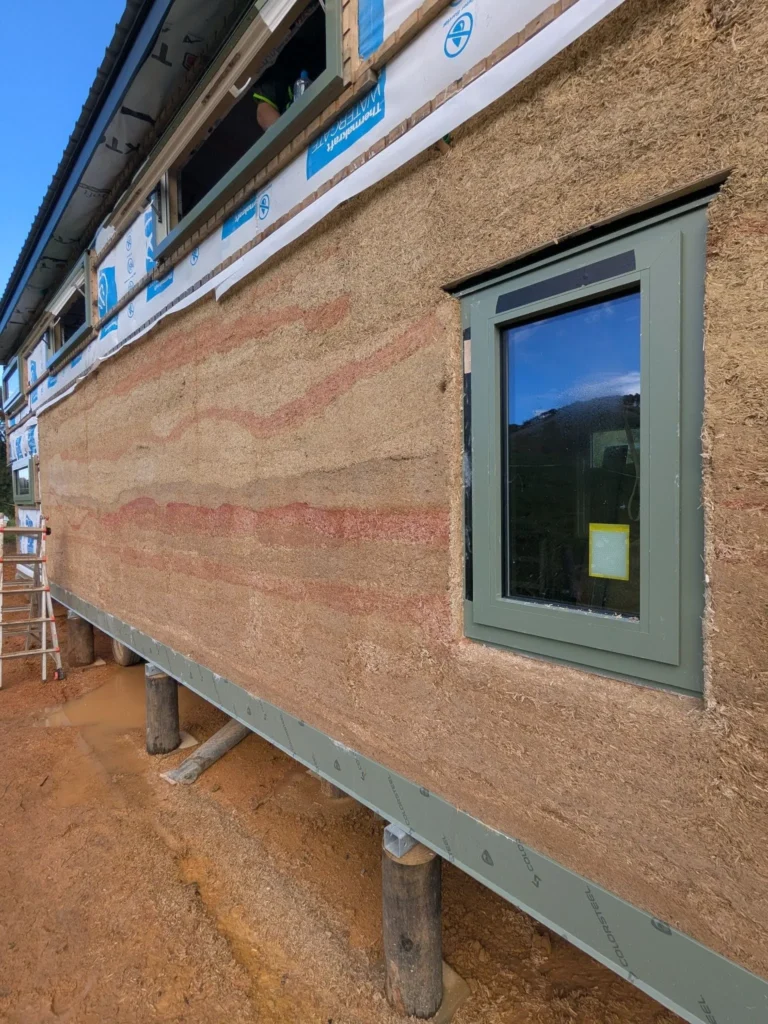
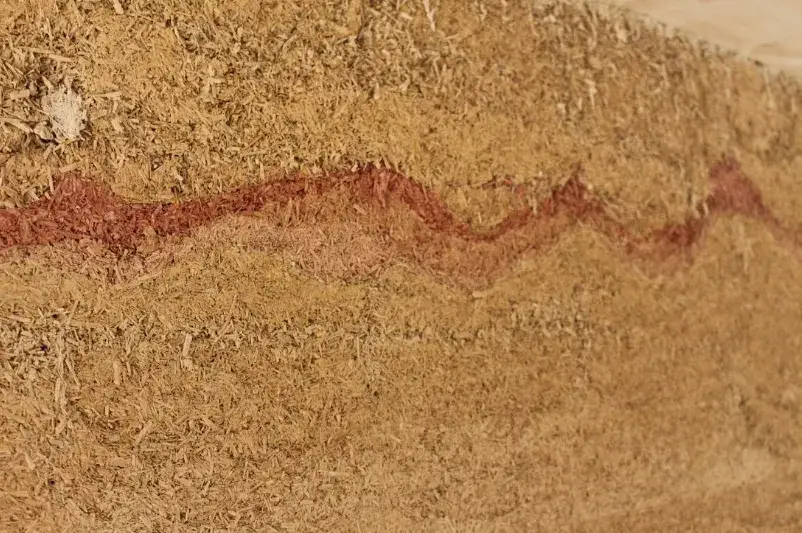
Hempcrete is a bio-composite building material made from three simple ingredients: hemp hurd (the soft, woody core of the hemp stalk), a lime-based binder, and water. Once mixed, the material is cast or packed into formwork, usually around a timber frame, where it cures into a lightweight, solid wall system.
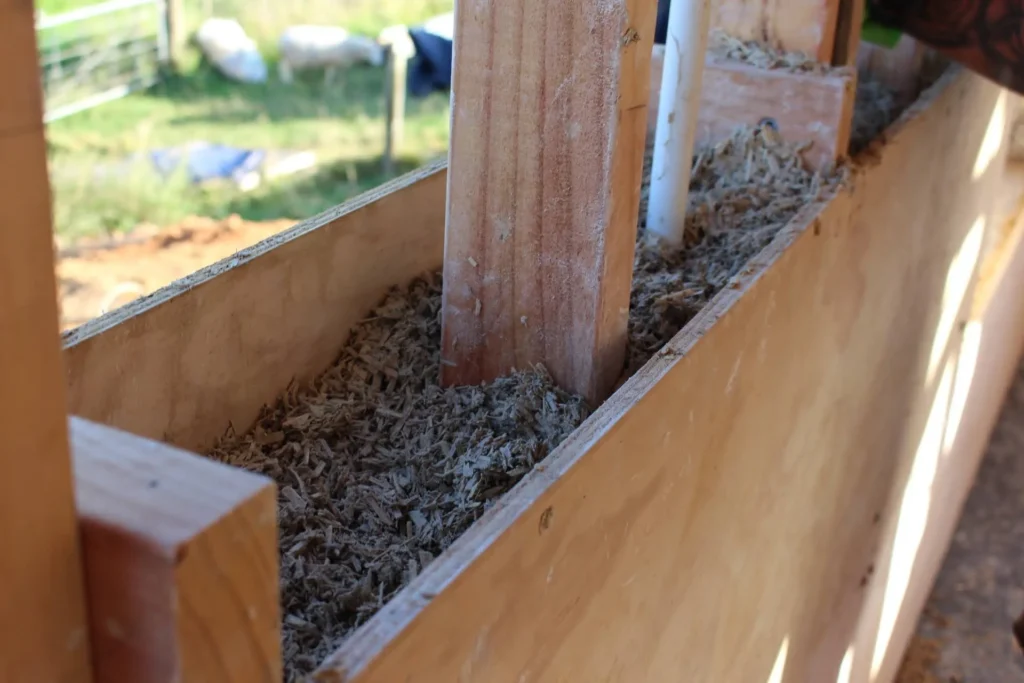
It helps to clear up a common misconception early on. Hempcrete is not a structural material in the way that concrete or brick is. It cannot carry the weight of a building on its own. Instead, a timber frame provides the structural support, while the hempcrete is placed around that frame to provide insulation, airtightness, thermal mass, and moisture control all in one layer. Think of it less as a replacement for concrete and more as an entirely different approach to building a wall.
—
How is hempcrete mixed and built into a home?
The process is refreshingly low-tech compared with most modern construction methods. Hemp hurd is combined with a lime-based binder and water, then hand-packed or sprayed into formwork around a timber frame. Once the formwork is removed, the hempcrete is left to cure over several weeks, allowing the lime to slowly carbonate and harden around the hemp fibre.
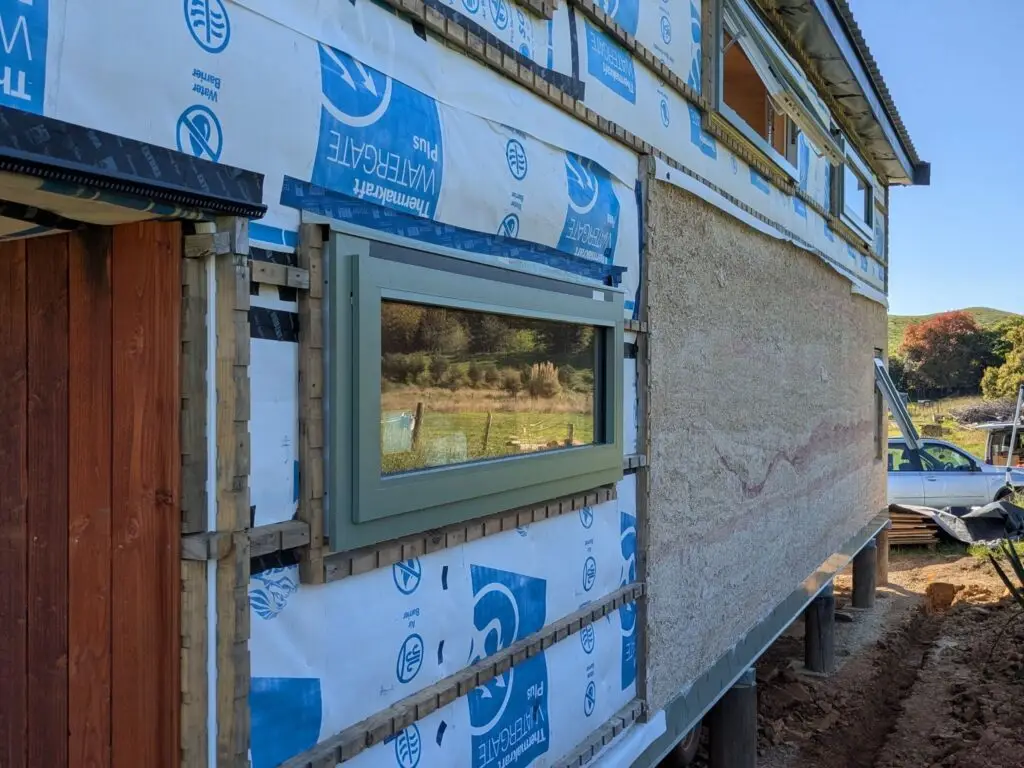
The finished wall is typically coated in a breathable lime render or plaster rather than standard paint or plastic-based products. This detail matters more than it might seem. Hempcrete relies on being able to absorb and release moisture freely, so sealing it with non-breathable products would undo many of its benefits.
In New Zealand, builders such as Erkhart Construction in Central Otago have already shown that this process works well even in a demanding alpine climate, with cold winters and hot, dry summers.
—
Why do New Zealand homes need to get warmer and drier?
To understand why hempcrete is generating so much interest, it helps to look at the state of New Zealand’s existing housing stock. More than three-quarters of New Zealand homes were built before 1978, the year insulation first became compulsory under the Building Code. Even many homes built since then can still feel cold and damp during winter.
According to Environmental Health Intelligence New Zealand (EHINZ), approximately 21% of New Zealanders were living in damp homes in 2023, while around 17% were living in homes affected by mould larger than an A4 sheet of paper. These figures highlight the ongoing importance of improving indoor environmental quality and adopting building approaches that support healthier living environments (EHINZ, 2025) [1].
These are not just numbers on a page. Cold, damp and mouldy homes are strongly linked to respiratory illness, worsened asthma and poorer overall health, particularly for children and older people. The building and construction sector in Aotearoa New Zealand contributes significantly to the country’s carbon emissions, accounting for approximately 20% of total greenhouse gas emissions. This highlights the importance of selecting lower-carbon building materials and adopting more sustainable construction practices to reduce environmental impacts (Andisheh, 2024) [2].
This is the backdrop against which hempcrete is being explored as a genuine option for healthier, lower-impact construction in New Zealand
—
Can hempcrete help solve New Zealand's damp home problem?
One of hempcrete’s standout qualities is its ability to manage moisture naturally. The material is hygroscopic, meaning it absorbs and releases water vapour from the surrounding air rather than trapping it. Research on hemp-lime composites has demonstrated excellent moisture buffering performance, with studies reporting moisture buffer values of approximately 2.78 g/(m²·%RH). This indicates the material’s ability to regulate indoor humidity by absorbing and releasing moisture in response to environmental changes, contributing to improved indoor environmental quality (Abdellatef et al., 2020) [3].
In practical terms, this means hempcrete walls can help regulate indoor relative humidity by absorbing and releasing moisture as conditions change. Indoor relative humidity is generally considered most comfortable and healthier for occupants when maintained within a range of approximately 40–60% (Respirabuilt, 2026) [4]. When humidity levels rise due to everyday activities such as cooking, showering, or even breathing, hempcrete can absorb excess moisture from the air. As the indoor environment becomes drier, the material can gradually release stored moisture back into the space, helping to moderate humidity fluctuations and support a more comfortable indoor environment.
This is also why hempcrete is described as a vapour open or breathable wall system. Unlike conventional construction, which often relies on plastic vapour barriers to manage moisture, hempcrete is designed to let moisture pass through the wall safely. That breathability reduces the risk of trapped condensation, the very condition that leads to mould growth in so many New Zealand homes.
Related Articles
—
How good is hempcrete at keeping a home warm in winter and cool in summer?
A 300 mm hempcrete wall can provide strong thermal insulation performance compared with standard concrete, with the overall performance depending on factors such as wall thickness, hemp-lime mix composition, and construction method. Research has shown that hempcrete’s low thermal conductivity allows it to achieve effective insulation performance, with reported thermal resistance values varying based on material density and thickness (About Futures, 2024) [5].
What sets hempcrete apart, though, is not just its insulation value but its thermal mass. The material absorbs heat slowly during the day and releases it gradually overnight, smoothing out temperature swings rather than letting a home overheat or rapidly cool. This combination of insulation and thermal mass is particularly valuable in New Zealand, where homes need to cope with everything from frosty Central Otago mornings to humid Auckland summers.
—
Is hempcrete actually better for the environment than standard materials?
This is where hempcrete moves from interesting to genuinely significant. Hemp is a fast-growing crop, often ready for harvest within around four months, and it absorbs a large amount of atmospheric carbon dioxide as it grows. The lime binder used in hempcrete also slowly absorbs CO2 from the air as it cures, a process known as carbonation.
Based on accelerated carbonation experimental evidence, researchers have estimated that sufficient carbonation can occur throughout the full depth of a hempcrete assembly over an anticipated service life of approximately 60–100 years. This long-term carbonation process contributes to hempcrete’s potential for continued carbon uptake throughout its use phase (Arehart et al., 2020) [6].
—
Does hempcrete keep pests, mould, and fire at bay?
Beyond its thermal and environmental credentials, hempcrete offers some genuinely practical benefits. The alkaline nature of the lime binder creates an environment that is naturally inhospitable to mould and fungal growth. That same alkalinity, combined with the lack of any food value in the cured material, makes hempcrete naturally unattractive to insects and rodents, removing the need for chemical pesticide treatments common in some conventional building products.
Hempcrete also performs well in fire situations, since lime-based materials do not combust in the way that many synthetic insulation products can. Add in excellent acoustic insulation properties, and it becomes clear why hempcrete is attracting attention from people who want a healthier, lower-maintenance home as well as a sustainable one.
—
How long does a hempcrete building actually last?
Durability is another area where hempcrete performs strongly. Because the lime binder continues to carbonate and harden gradually over many years, hempcrete walls tend to get stronger over time rather than degrade. Builders working with the material report that small surface cracks can effectively self-heal as the lime continues to cure, and many practitioners point to European hemp lime buildings that have stood for decades with minimal maintenance.
Maintenance itself is also relatively low effort. Exterior lime renders can often simply be washed down rather than repainted every few years, and because hempcrete resists rot, pests and mould so effectively, the long-term cost of ownership can compare very favourably with conventional construction.
—
Who is already building with hempcrete in New Zealand and Australia?
Hempcrete is still a relatively young industry in this part of the world, but momentum is building quickly. Hempfarm NZ has been developing hemp processing infrastructure in Canterbury to supply the local hurd and fibre needed for construction, reducing reliance on imported material.
Academic research from Te Herenga Waka Victoria University of Wellington has explored the potential of hempcrete as a sustainable building solution for Aotearoa New Zealand’s future housing needs. While most existing hempcrete buildings in New Zealand have traditionally been limited to single-detached homes, the research investigates how hempcrete could be adapted for medium-density housing typologies. The study examines hempcrete’s performance, feasibility, regulatory considerations, and its potential role in supporting low-carbon, healthy, and climate-resilient housing development in New Zealand (Murray, 2024) [7].
Across the Tasman, Western Australian researchers have been conducting detailed lifecycle assessments of hemp-based building materials, helping to establish region-specific data on the carbon footprint of hemp construction in an Australasian context.
Builders who focus on sustainable, high-performance renovations and new builds, including the team at MJones Building, are watching these developments closely as local supply chains mature and hempcrete becomes a more accessible option for New Zealand projects.
—
Is hempcrete the right choice for every New Zealand Build?
As promising as hempcrete is, it is worth being honest about its limitations. Because it is not load-bearing, it needs to be paired with a timber or other structural frame, which adds a design consideration that not every project will suit. The curing process also takes longer than some conventional methods, and because the local supply chain for hemp hurd is still developing, material costs and availability can vary depending on location and project timing.
For homeowners who prioritise long-term performance, indoor health, and environmental impact over the fastest or cheapest build, hempcrete is well worth investigating. Talking through the practicalities with an experienced, sustainable building team early in the design process is the best way to work out whether hempcrete fits your budget, timeline, and the specific demands of your site.
—
Frequently asked questions
Is hempcrete legal to build with in New Zealand?
Yes. Hempcrete is made from industrial hemp, which is grown under licence in New Zealand and contains negligible levels of THC, the psychoactive compound associated with cannabis. The hurd used in hempcrete has no connection to recreational use and is simply the fibrous core of the plant stalk.
Does hempcrete cost more than standard construction?
Material and labour costs can be higher upfront, partly because hempcrete still requires specialist skills and a developing local supply chain. However, many homeowners find that lower heating and cooling costs, reduced maintenance, and the material’s long lifespan help offset that initial investment over time.
Can hempcrete be used in a renovation, or only in new builds?
Hempcrete can be used in both. It is commonly installed as infill within an existing or new timber frame and can also be used as an internal lining or retrofit insulation layer in some renovation projects, depending on the structure involved.
Is hempcrete a structural material?
No. Hempcrete cannot support the weight of a building on its own. It is always used alongside a structural frame, typically timber, which carries the load while the hempcrete provides insulation, thermal mass, and moisture regulation.
How long does hempcrete take to cure?
Curing time depends on wall thickness, mix density, and local climate conditions, but it generally takes several weeks to a few months before the wall is ready for its final breathable render or finish.
Where does the hemp used in New Zealand hempcrete come from?
New Zealand’s domestic hemp processing industry is still growing, with facilities such as those developed by Hempfarm NZ in Canterbury working to expand local supply. Some material is currently imported, although this is expected to change as the local industry matures.
—
Ready to build a warmer, healthier home?
Hempcrete will not be the right material for every single project, but it represents something New Zealand’s building industry badly needs: a genuinely sustainable, high-performance option that addresses our cold, damp housing problem at its source rather than papering over the symptoms. With its impressive thermal performance, natural moisture regulation, pest resistance, and carbon-negative footprint, it is easy to see why so many architects, builders, and homeowners across New Zealand and Australia are taking it seriously as part of a more sustainable building future.
If you are planning a renovation or new build and want to explore sustainable, high-performance materials and methods suited to your site and budget, contact us to start the conversation. Our team would love to help you think through what a warmer, drier, and healthier home could look like for your family.
—
References:
[1] Environmental Health Intelligence New Zealand. (2025). Dampness and mould in New Zealand households: a tenure-based analysis . Retrieved from https://ehinz.ac.nz/assets/Surveillance-reports/Released_2025/Dampness-and-mould-in-New-Zealand-households-a-tenure-based-analysis.pdf
[2] Andisheh, K. (2024, June 1). Designing for reduced emissions and waste. Building Research Association of New Zealand (BRANZ). Retrieved from https://www.branz.co.nz/design-build/articles/designing-for-reduced-emissions-and-waste?
[3] Abdellatef, Y., Khan, M. A., Khan, A., & Kavgic, M. (2020). Mechanical, thermal, and moisture buffering properties of novel insulating hemp-lime composite building materials. Retrieved from https://doi.org/10.3390/ma13215000
[4] RespiraBuilt. (2026.). Hemp construction. Retrieved from https://www.respirabuilt.com.au/hemp-construction
[5] About Futures. (2024, August 6). Thermal Performance. Retrieved from https://aboutfutures.co/hempcrete-vs-conventional-building-materials/
[6] Arehart, J. H., Nelson, W. S., & Srubar, W. V., III. (2020). On the theoretical carbon storage and carbon sequestration potential of hempcrete. Retrieved from https://doi.org/10.1016/j.jclepro.2020.121846
[7] Murray, M. (2024). Beyond the Hemp House: Exploring potential for the deployment of hempcrete in Aotearoa’s medium-density housing. Retrieved from https://doi.org/10.26686/wgtn.25763931