
Sustainable Builders in New ZealandWhat Sets the Best Apart
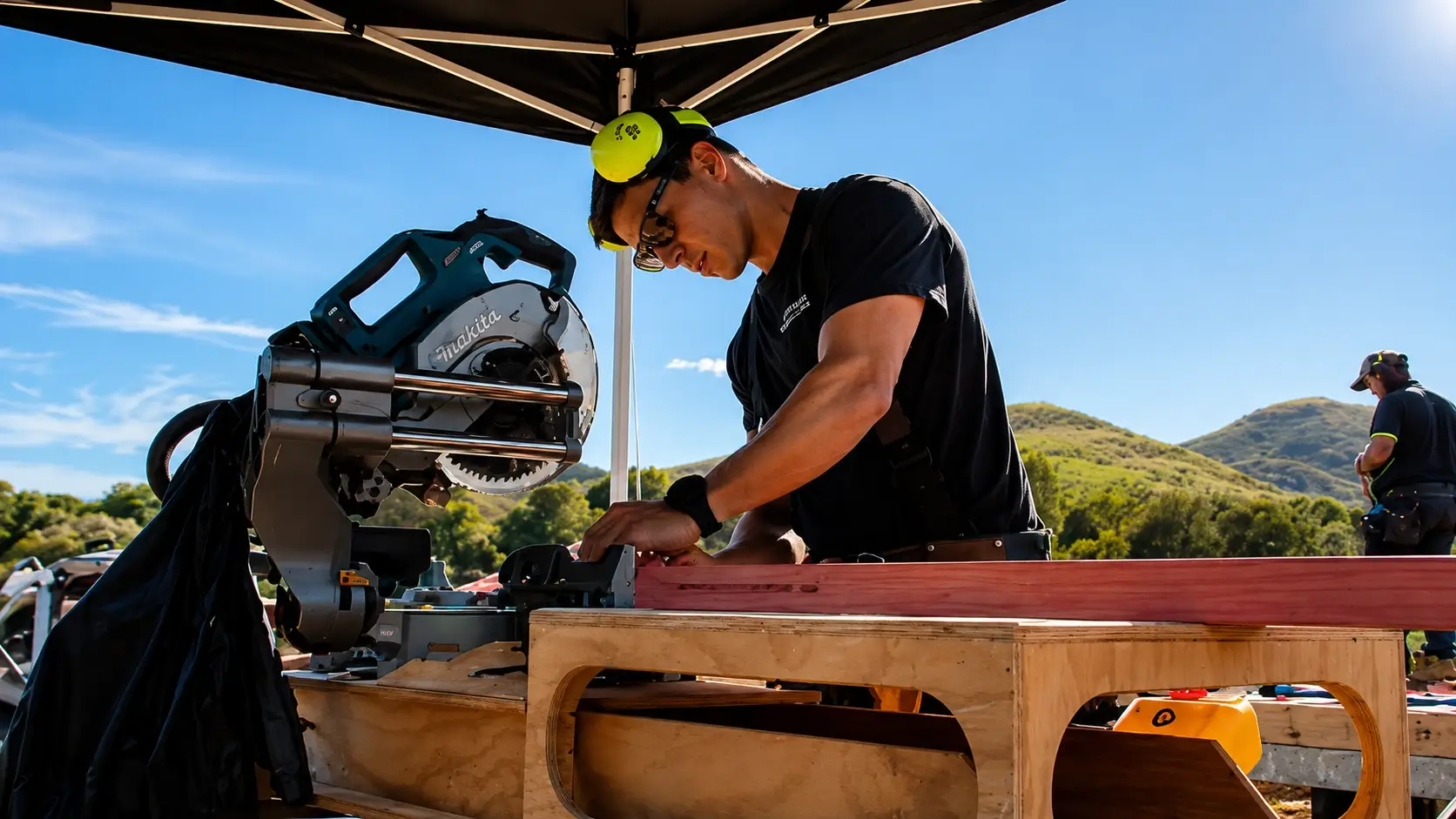
When we talk to homeowners about building sustainably, the conversation almost always starts with solar panels or eco-friendly materials. But a genuinely sustainable build starts long before those finishing touches. It starts with understanding what actually happens inside a home's walls after the scaffolding comes down.
The best builders look far beyond minimum building standards. We look at how material choices, moisture management, and structural decisions affect the health, warmth, and running costs of your home for decades to come.
If you have ever driven around Waiheke Island, you have seen plenty of homes designed to blend into the landscape. But what actually separates a builder who uses "sustainability" as a marketing keyword from one who practises it on site every day?
Here is what really sets a high-performance builder apart, and why those choices matter for your home.
Understanding What the Building Code Does and Does Not Cover
Many homeowners assume that if a build meets the New Zealand Building Code, they are getting a warm, energy-efficient home. In reality, the Building Code sets minimum legal performance standards. As the Ministry of Business, Innovation and Employment (MBIE) outlines, it is a performance-based code that sets the legal floor for building work, not the ceiling.
You cannot legally build below the code, but building to code simply means your house is legally compliant. It does not guarantee it will be warm, dry, or cheap to heat.
Consumer NZ research has highlighted that when compared with international standards, newly built code-compliant houses in New Zealand can still be cold, mouldy, and drafty. This is largely because standard code requirements set too low a bar for continuous thermal performance and mechanical ventilation.
High-performance builders recognise where minimum requirements fall short:
- Homestar ratings: Independent tools from the New Zealand Green Building Council rate homes from 6 to 10 stars across health, comfort, and energy efficiency.
- Upfront investment vs long-term return: Research commissioned by BRANZ shows that achieving a 6 Homestar rating adds roughly 3 percent to construction costs, while a 7 Homestar rating adds about 4 percent.
A builder who can explain what these performance upgrades actually achieve on site, rather than just promising to meet code, is a builder who understands quality construction.
Knowledge of Natural and Alternative Materials
Materials like rammed earth, hempcrete, and locally milled timber have a long history in sustainable building. They remain excellent choices where site conditions, structural demands, and client goals align.
However, natural materials only perform well when they are designed and installed correctly for local weather conditions.
New Zealand has established Earth Building Standards (NZS 4297, 4298, and 4299), developed alongside the Earth Building Association of New Zealand (EBANZ). These standards provide clear compliance pathways for building with earth and bio-based materials like hempcrete.
A knowledgeable builder understands the exact details that matter on site, particularly how natural wall assemblies manage moisture, breathability, and local coastal driving rain.
Equally, a great builder knows when a natural material is not the right fit. We will always be honest about where a material suits your section and where a modern high-performance alternative will serve your budget and structural needs better.
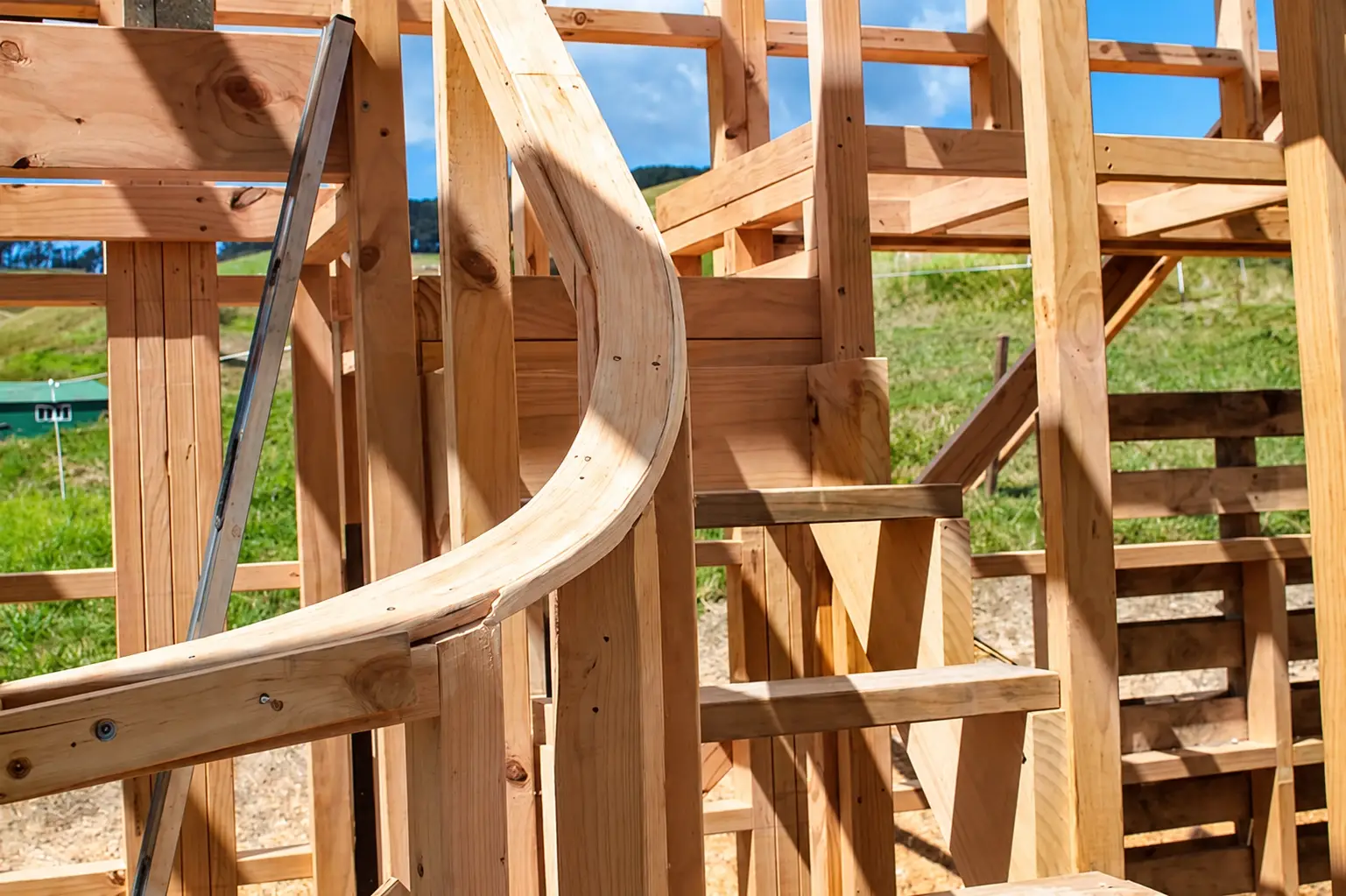
On Waiheke, eco-conscious builds often pair sustainably sourced timber, such as Forest Stewardship Council (FSC) certified framing, with high-performance insulation systems and careful solar orientation to make the most of the island's climate.
Building Biology and Indoor Health
Building biology looks at how a house affects the physical health of the people living inside it. It shifts the focus from how a house looks in photos to how it performs every single day.
Moisture management is at the absolute heart of building biology:
- Mould prevention: BRANZ research shows that mould thrives in New Zealand homes when indoor temperatures hover around 15°C with high relative humidity (around 80%).
- Indoor air quality: Ministry for the Environment data links poor indoor air quality and dampness to respiratory illnesses across the country, underlining the critical need for continuous fresh air exchange.
Builders who understand building biology design wall systems that handle moisture safely. That means specifying balanced mechanical ventilation with heat recovery (MVHR), selecting low-VOC paints and non-toxic adhesives, and designing airtight envelopes that prevent warm, moist air from becoming trapped inside wall cavities.
It is a mindset that treats a house as a living environment meant to support your family's health, not compromise it.
Honest Conversations About Cost and Value
A quality builder will always be transparent about where your money goes and what additional performance upgrades achieve over time.
Higher-performing building envelopes, double-gasketed windows, and continuous insulation require a higher initial investment. But as independent analysis from the New Zealand Green Building Council shows, Homestar-rated homes significantly reduce ongoing running costs through lower heating and cooling bills. Many homeowners recover that extra investment within a few years.
We believe in walking clients through these numbers transparently during pre-construction. Knowing exactly where to invest for maximum thermal performance gives you total control over your budget.
Waste Reduction and Responsible Site Management
Construction waste is one of the most overlooked aspects of a build, but it speaks volumes about how a construction company operates.
Ministry for the Environment estimates reveal that construction and demolition waste accounts for roughly one-third of all waste sent to landfill in New Zealand.
On Waiheke Island, site waste carries an even bigger footprint because every skip bin has to be barged back to the mainland for processing.
Progressive local initiatives, such as the 10 Ton Project operated through Clean Island, demonstrate the power of sorting and diverting building waste away from landfills. On our sites, waste management starts at the ordering phase:
- Precise material takeoffs to minimise offcuts.
- Dedicated sorting stations on site for timber, metal, and soft plastics.
- Partnering with local facilities like the Waiheke Community Resource Recovery Park to reuse salvageable materials.
Reducing site waste is not just good for the environment, it directly protects your budget from unnecessary barge and disposal fees.
Sustainability Reflected in Daily Operations
True commitment to better building shows up in how a business operates day to day.
It shows in practical choices: the vehicles on the road, the local suppliers chosen, and the care taken on site to protect surrounding soil and native trees.
This aligns closely with community-driven initiatives like Electrify Waiheke, which works to transition local transport, businesses, and homes to renewable electric power.
Whether it means running electric site vehicles, sourcing timber from local yards, or supporting community recycling schemes, a great builder lives those values through daily action.
Genuine Passion, Not a Passing Trend

The building industry is constantly evolving. Standards update, material science advances, and research into indoor air quality continues to improve.
Organisations like BRANZ and EBANZ exist because building science moves quickly. The best builders never stop learning. We actively stay at the forefront of building biology and structural performance rather than relying on outdated habits from twenty years ago.
When you speak with a builder, pay attention to the questions they ask. A builder who genuinely cares about sustainability will ask about your site's microclimate, your family's health requirements, and your long-term goals for the home.
Building a Home That Lasts
Choosing a sustainable builder is not about chasing trends. It comes down to finding a team that understands building biology, respects natural materials, manages site waste responsibly, and builds with long-term performance in mind.
When those principles come together, the result is a warmer, drier, healthier home that stands up to New Zealand conditions for generations.
Frequently Asked Questions
References
- Auckland Council. Waiheke Community Resource Recovery Park & Waste Diversion Guidelines.
- BRANZ. Study Report SR452: Indoor climate and mould in New Zealand homes.
- Building Performance (MBIE). Understanding the New Zealand Building Code.
- Earth Building Association of New Zealand (EBANZ). NZS 4297, 4298, and 4299 Standards Overview.
- Ministry for the Environment. Our air 2024 & New Zealand construction and demolition waste reporting.
- New Zealand Green Building Council (NZGBC). Homestar rating system for healthy, energy-efficient homes.