
What Mistakes Should You AvoidWith Custom Home Builders?
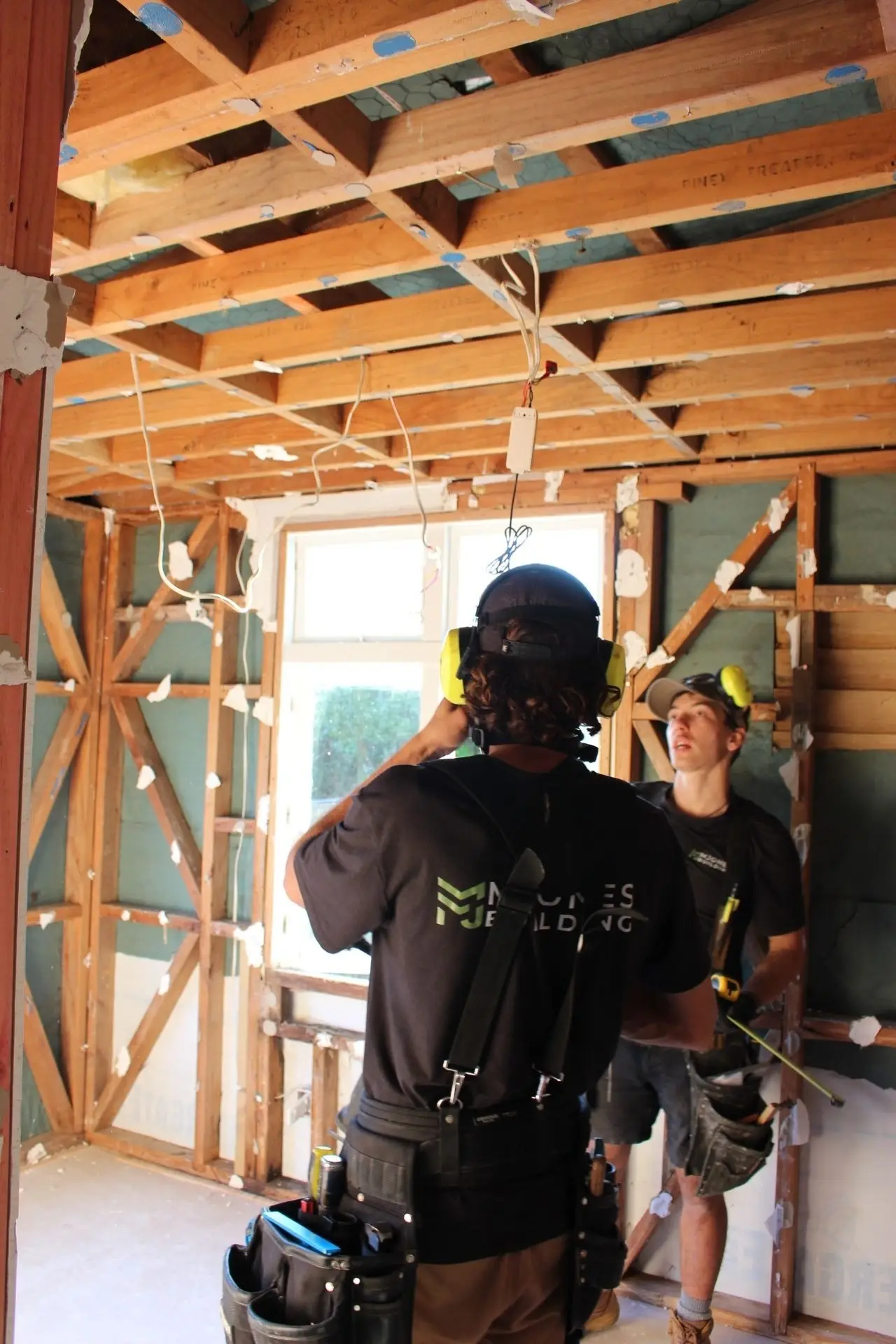
Building a custom home is one of the most exciting and significant investments you will ever make. You get to design a space that reflects your lifestyle, your taste, and your long-term goals. But without the right guidance and preparation, this exciting journey can quickly turn into a stressful and costly experience. Working with experienced, trustworthy custom home builders makes a massive difference. But even with a great builder by your side, there are common mistakes that homeowners can make that can derail a project. In this article, we will walk through those mistakes so you can avoid them and build the home you have always dreamed of.
Why Does Choosing the Wrong Builder Cost You More Than You Think?
One of the biggest and most expensive mistakes you can make is choosing a builder purely based on price. It is tempting to go with the lowest quote, especially when you are trying to manage your budget. But a low price can sometimes mean corners are being cut, materials are being substituted, or the builder lacks the experience to deliver quality work.
When you are evaluating builders, look beyond the price tag. Consider their reputation, their past projects, and how clearly they communicate with you. A slightly higher quote from a reliable builder will almost always save you money in the long run because you avoid costly rework, delays, and disputes.
Are You Setting a Realistic Budget Before Construction Begins?
Many homeowners enter the custom home building process with a rough idea of what they want to spend, but no concrete financial plan. This is a recipe for stress. Without a detailed and realistic budget, you can end up overspending on things early in the project and running short on funds when it really matters.
Here is what a solid budget should account for:
- Land and site preparation costs, including earthworks and drainage.
- Design and architectural fees, which can vary significantly.
- Building materials and labour, which are the core of your project.
- Council consents and compliance costs, which are often underestimated.
- A contingency buffer of at least 10 to 15 percent for unexpected costs.
Do You Actually Know What Is Included in Your Building Contract?
Signing a contract without reading and understanding it thoroughly is one of the most common mistakes homeowners make. A building contract is a legally binding document and it outlines everything from timelines and payment schedules to what happens if something goes wrong.
Before you sign anything, make sure you understand:
- The full scope of work and what is and is not included in the quote.
- Payment milestones and what triggers each payment.
- The process for variations or changes to the plan mid-build.
- Dispute resolution procedures.
- Warranties on workmanship and materials.
Are You Skipping the Step of Checking Builder Credentials and References?


It might feel a little awkward to ask for references or check a builder's credentials, but this step is essential. A reputable custom home builder will have a solid portfolio of completed projects, verifiable licences, and happy clients who are willing to vouch for their work.
- A current Licensed Building Practitioner (LBP) registration in New Zealand.
- Insurance coverage, including public liability insurance.
- A history of completed projects similar to what you are planning to build.
- Online reviews and testimonials from real past clients.
Do not just rely on the testimonials listed on their website. Reach out to past clients directly if you can, and ask specific questions about how the builder handled challenges, communicated throughout the build, and delivered on their promises.
What Is the Importance of Site Visits During the Construction Phase?
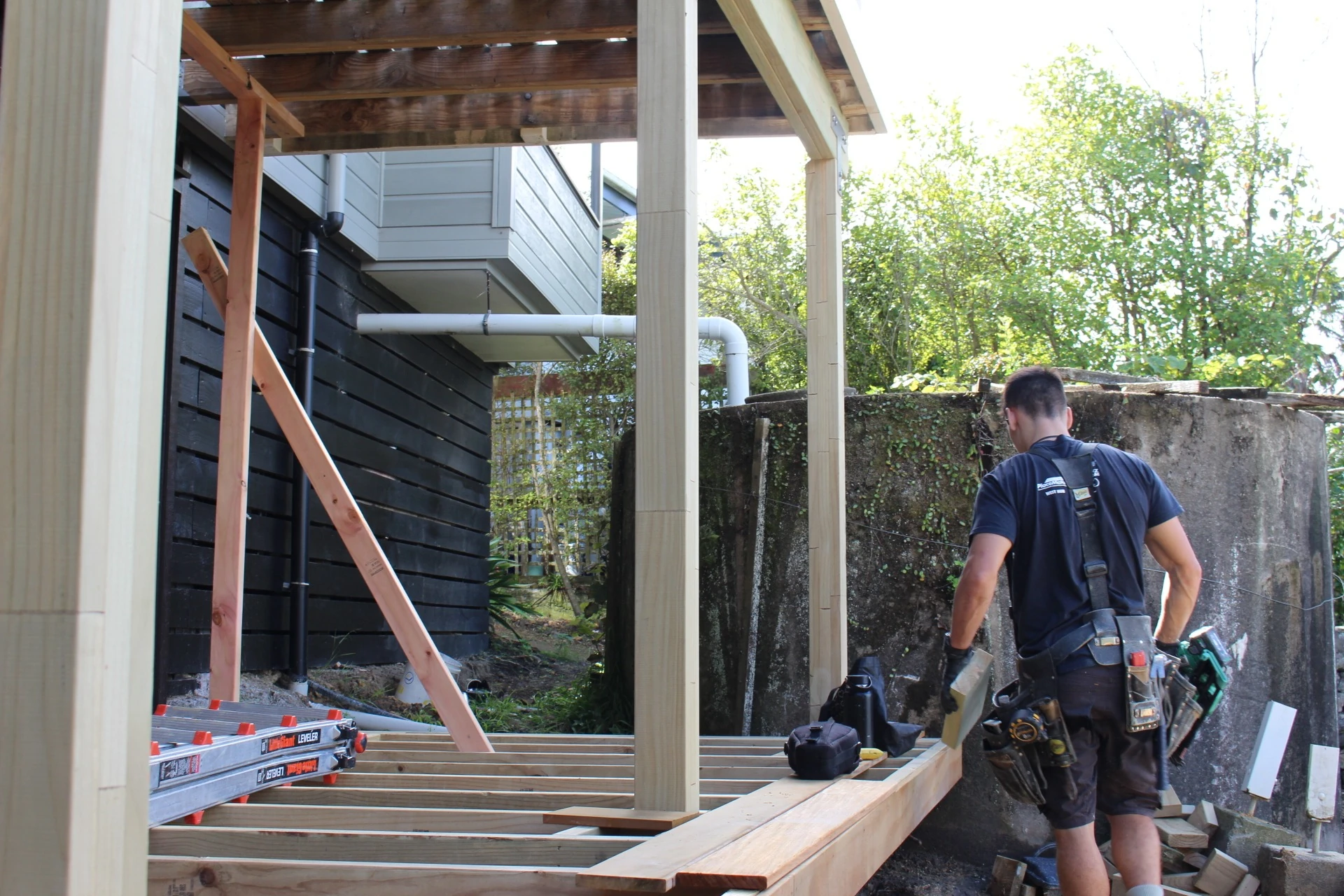
Handing over your vision to a builder and then being completely hands-off is not the best approach. While you should absolutely trust your builder to do their job, regular site visits allow you to stay connected to the progress of your build, ask questions in real time, and catch any discrepancies before they become major problems.
You do not need to be on-site every day, but scheduled visits at key milestones such as framing, pre-line inspection, and pre-paint stage are worth the time. Take photos, keep notes, and do not be afraid to speak up if something does not look right to you.
How Poor Communication Can Silently Sabotage Your Build
Communication is the glue that holds a successful building project together. When communication breaks down between a homeowner and their builder, small issues quickly turn into big problems. Expectations get misaligned, timelines blow out, and frustration builds on both sides.
- Set up regular check-ins with your builder, whether weekly or fortnightly.
- Put everything in writing, including any changes to the plan or verbal agreements.
- Ask questions without hesitation. A good builder welcomes them.
- Be responsive when your builder needs decisions from you. Decision delays can push out the entire timeline.
Are You Rushing Through the Design and Planning Stage?
Excitement about your new home can sometimes lead people to rush through the planning stage so they can just get started. This is a mistake that often leads to regret. The design and planning phase is where you lock in the decisions that will shape everything else, and changes made during construction are far more expensive than changes made on paper.
Why Is Ignoring Local Knowledge Such a Costly Mistake?
Every location has its own unique set of building requirements, soil conditions, weather patterns, and council regulations. A builder who knows your area inside and out brings an enormous amount of value to your project. They understand the local compliance requirements, they have established relationships with local suppliers, and they know what building methods work best for your specific environment.
Choosing a quality home builder with deep local knowledge means fewer surprises, faster approvals, and a home that is genuinely built for the conditions it will face year after year.
Why Should You Be Cautious of Making Too Many Changes Mid-Build?
Changes during a build, often called variations, are sometimes unavoidable. But making too many changes once construction has started is one of the fastest ways to blow your budget and push out your timeline. Every change requires additional time to plan, materials to be reordered or returned, and often means undoing work that has already been completed.
Frequently Asked Questions
Why Your Custom Home Dream Is Too Important to Leave to Chance
Building a custom home is one of the most meaningful things you will ever do. It deserves careful planning, the right builder, open communication, and realistic expectations from the very beginning. The mistakes covered in this article are all avoidable with the right preparation and the right team by your side.
Whether you are just starting to explore the idea or you are ready to take the next step, working with experienced and dedicated builders makes all the difference. At MJones Building, we are committed to helping you bring your vision to life with craftsmanship, transparency, and care at every stage of the process.
Ready to get started on the home you have always imagined? Contact us today, and let's talk about how we can make your custom home a reality.