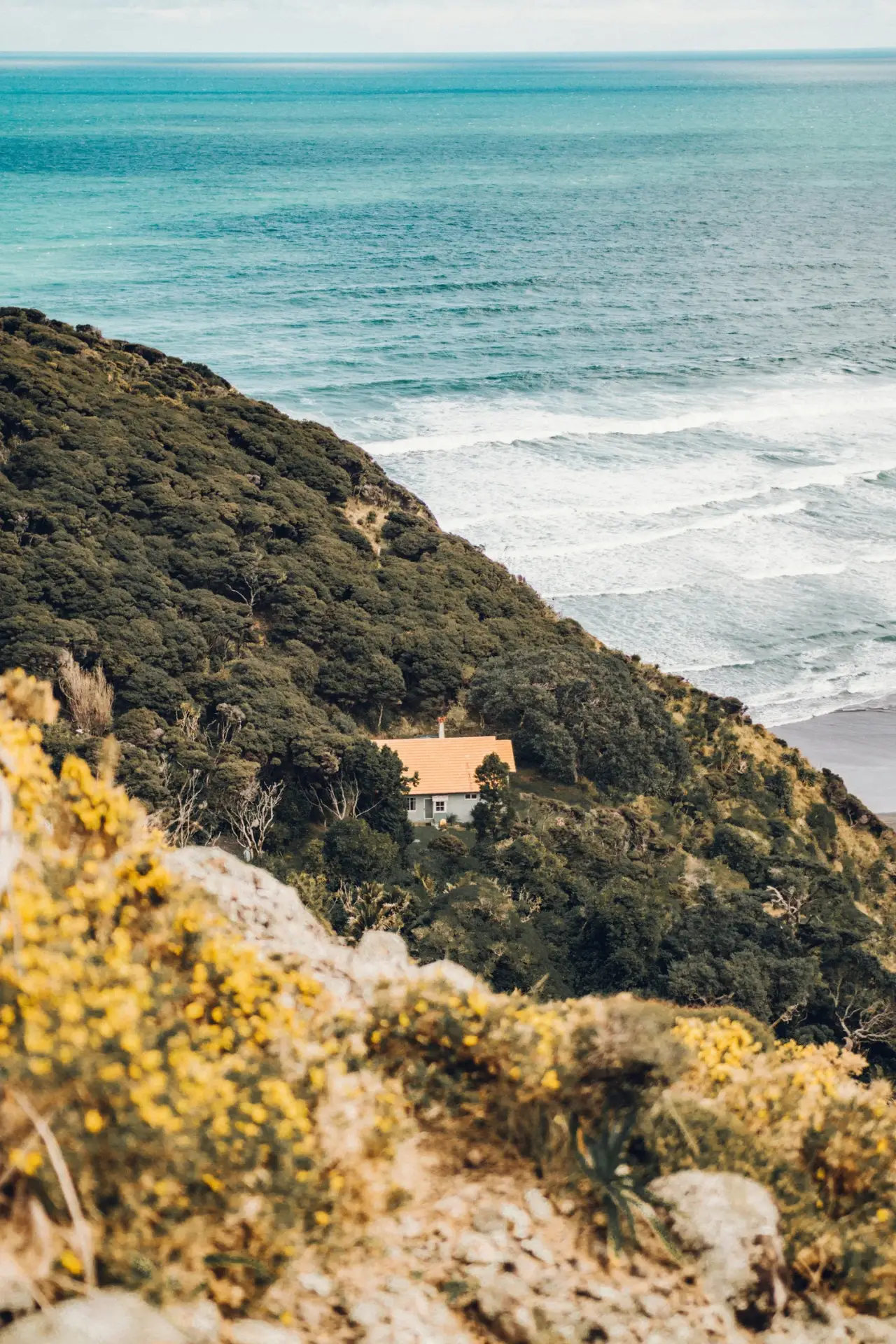
Regularly maintaining your home on Waiheke Island can prevent major problems from escalating into costly, unavoidable repairs. The specific maintenance priorities for your property will depend on its location and proximity to the ocean — homes in the bush may face more dampness, while those closer to the sea may experience higher corrosion from salt spray. Understanding these risks is key to keeping your home in top condition.
Why Maintenance Matters More on Waiheke
Waiheke Island's environment is exceptional — but it places real demands on your home. Salt air, humidity, native bush, and a ferry-dependent supply chain all combine to create conditions that accelerate wear on building materials. What might be a minor issue on the mainland can progress quickly on the island if left unaddressed.
The good news is that consistent, routine maintenance is far less disruptive and far less expensive than reactive repairs. Taking the time to inspect, clean, and address small issues before they grow is the single most effective thing a Waiheke homeowner can do to protect their investment.
Essential Exterior Maintenance Tips
01
Routine Cleaning
Most Waiheke homes are in close proximity to the sea or the bush, where sea spray and mould can quickly take hold. Schedule regular cleaning to wash off salt residue and mildew before they cause corrosion or staining. Aim for at least one deep clean and one pressure wash per year — ideally when your water tank is full. Don't overlook your gutters, roofs, and spouting; keeping these clear ensures proper drainage and prevents water-related damage.
02
Paint and Timber Inspection
Regularly inspect the paint on your home's exterior for signs of cracking, mildew, or rot. Unaddressed cracks allow moisture to penetrate into internal framing, which can lead to significant structural damage over time. Make it a habit to check and repair paint and timber issues as soon as they're spotted — prevention here is always cheaper than cure.
03
Timely Repairs
Address any damage immediately and replace rotten timber before rot and mildew have a chance to spread. This includes fascia boards, which can rot at the ends if not properly primed — even cedar, known for its natural weather resistance, can deteriorate when poorly installed. All materials require proper installation and ongoing maintenance to perform as intended.
04
Choose Appropriate Materials
On Waiheke, stainless steel hardware is essential, along with corrosion-resistant roofing. For joinery, aluminium is a strong choice — it's more resistant to corrosion and eliminates the need for regular repainting. When repairing cladding, always use stainless steel fixings. While keeping costs down is wise, cutting corners on materials almost always leads to more expensive repairs further down the track.
05
Upgrade Windows and Doors
When your windows and doors are aged or letting in draughts, consider upgrading to double-glazed, weather-resistant options. These improve energy efficiency by regulating indoor temperatures and reducing heating and cooling costs. They also provide an extra barrier against harsh coastal conditions, helping to safeguard against condensation, mould, and moisture-related damage.
06
Clear Vegetation and Overgrowth
Maintaining a tidy perimeter around your home is essential for preventing moisture-related issues and keeping pests at bay. Regularly clear overgrown vegetation and keep plants a safe distance from your foundation. This improves airflow and drainage, reducing the risk of mould and rot. Clearing overhead vegetation also allows more natural sunlight to reach your home, improving warmth and indoor comfort.
Eco-Friendly Maintenance on the Island
When caring for your Waiheke home, it's worth considering how your maintenance activities interact with the local environment. Waiheke's unique ecosystem is part of what makes it such a special place to live — and small choices add up.
Eco-Conscious Maintenance Habits
Use eco-friendly cleaning products that are gentle on the surrounding land and waterways.
If your home has a septic system, avoid putting harsh chemicals down the drain — they disrupt the natural bacteria essential for proper functioning.
When landscaping, prioritise native trees and plants, which are better suited to the local climate and require less ongoing maintenance.
Regularly assess whether your maintenance activities are negatively impacting the environment around your property.
A Note on Septic Systems
Many Waiheke properties rely on septic systems rather than mains sewerage. Harsh cleaning chemicals poured down drains can disrupt the natural bacterial balance needed for the system to function correctly — leading to costly repairs that are entirely avoidable with a little care in product selection.
Location-Specific Risks to Know
Not all Waiheke homes face the same maintenance challenges. Where your property sits on the island has a significant bearing on what to prioritise:
Coastal properties — Higher exposure to salt spray means faster corrosion of metal fixtures, joinery, and roofing. Stainless steel hardware and corrosion-resistant materials are non-negotiable.
Bush-adjacent properties — Greater moisture and shade increase the risk of mould, rot, and dampness. Regular clearing of vegetation and attention to drainage is essential.
Hillside or elevated properties — Wind exposure can accelerate paint degradation and place stress on roofing and cladding. More frequent inspections are warranted.
Low-lying or valley properties — These can be prone to groundwater issues and poor drainage. Ensuring your perimeter and subfloor drainage are functioning well is a priority.
Frequently Asked Questions
At minimum, once a year — ideally in spring when you can catch any build-up from the wetter months. If your home is close to the sea and experiences regular salt spray, twice a year is a sensible approach. Pay particular attention to the roof, spouting, gutters, and any north-facing surfaces that collect mildew over winter.
For coastal locations, you want roofing with strong corrosion resistance. Pre-painted long-run steel with a high-quality coating system is a popular and reliable choice. Colorsteel or similar products designed for marine environments perform well. Avoid standard galvanised materials without adequate coating in salt-exposed areas, as they will deteriorate more quickly than their ratings suggest.
For most Waiheke homeowners, yes. Aluminium joinery is significantly more resistant to the island's salt-laden air than timber, and it eliminates the need for periodic repainting. Combined with double glazing, it also improves energy efficiency and reduces condensation — a common issue in coastal homes. The upfront cost is higher, but the long-term savings in maintenance time and repainting costs typically make it worthwhile.
The most reliable way is a simple poke test — use a screwdriver or sharp tool to probe the timber. Sound timber will resist the pressure; rotten timber will feel soft, crumbly, or hollow. Pay particular attention to the ends of boards, where moisture tends to ingress first, and anywhere timber is close to the ground or in contact with water. If you're unsure, a licensed builder can inspect and give you a clear picture of what needs replacing.
Many routine tasks — cleaning, clearing vegetation, painting, and basic inspections — can be carried out by a capable homeowner. However, any structural repairs, work involving waterproofing membranes, roofing replacements, or alterations to the building envelope should be handled by a licensed builder. This ensures the work is done correctly, meets building code requirements, and is properly documented — which matters when it comes to insurance and future sale of the property.
Why Choose MJones Building?
At MJones Building, we understand the unique challenges that come with maintaining homes on Waiheke Island. Our experienced team is dedicated to providing high-quality maintenance services tailored to your property's specific needs, ensuring your home remains in top condition for years to come.
With a commitment to using appropriate materials and eco-friendly practices, you can trust that your home is not only well-maintained but also properly protected against the island's conditions. We offer timely repairs, upgrades to weather-resistant features, and expert guidance throughout the process — backed by genuine local knowledge of Waiheke's unique environment.
Whether you need a maintenance assessment, a specific repair, or guidance on an upcoming upgrade, get in touch with our team to talk through what your home needs.