
Waiheke Island Home ConstructionThe Complete Guide for Families
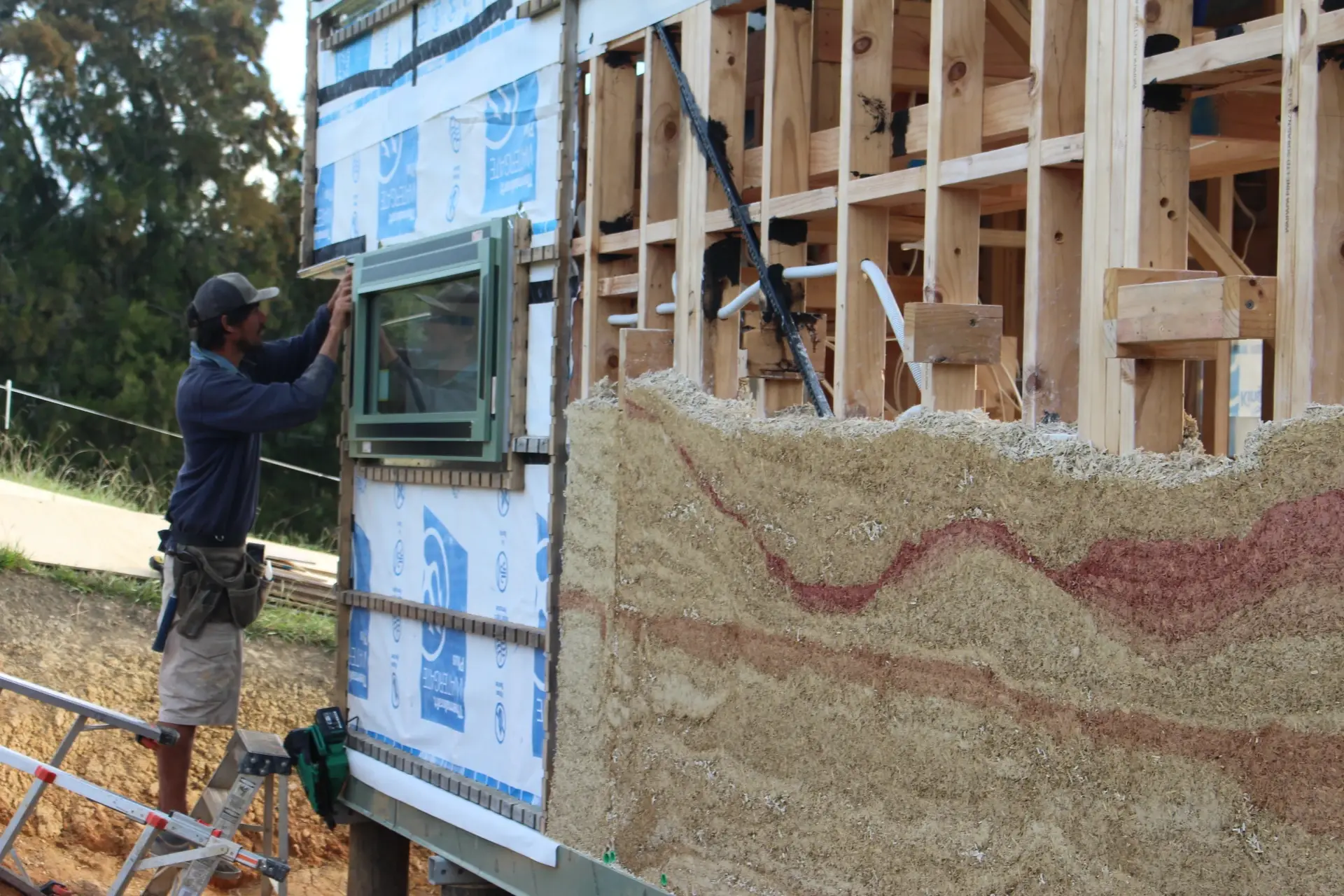
If you have been dreaming about building your family home on Waiheke Island, you are not alone. This stunning island, just a short ferry ride from Auckland, has become one of New Zealand's most sought-after places to live. With its rolling vineyards, golden beaches, and tight-knit community, it offers something that most suburban neighbourhoods simply cannot — a lifestyle that genuinely feels like a reward for all the hard work you have put in. But building a home here is not quite like building anywhere else. Waiheke has its own set of rules, rhythms, and considerations that should first be well understood.
What Makes Waiheke Island Such a Special Place to Build?
There is a reason why people who move to Waiheke rarely want to leave. The island offers a rare combination of natural beauty, community spirit, and genuine peace of mind. For families who want their children to grow up with space to roam, clean air to breathe, and a sense of belonging, Waiheke delivers all of that and more.
Beyond the lifestyle, Waiheke is also a smart long-term investment. Property values on the island have shown consistent strength over the years, and demand for quality homes continues to grow. Building your own home here means you get exactly what your family needs while also planting roots in one of New Zealand's most desirable locations.
Building Regulations You Need to Know
One of the first things people discover when they start planning a build on Waiheke is that the island has specific planning and building regulations that differ from mainland Auckland. This is important to understand early because it affects everything from your timeline to your design choices.
Waiheke Island falls under the Auckland Unitary Plan, which outlines the rules for land use, building height, setbacks, and environmental protections. Many parts of the island have specific zoning overlays that protect coastal areas, rural character, and significant natural features. Before you commit to a section or a design, it is essential to check what zone your land falls under and what that means for your build.
Key things to look into include:
- Height restrictions and setback rules from boundaries and coastal areas
- Rules around earthworks and vegetation removal on steep or sensitive sites
- Wastewater and water supply requirements, especially on sections not connected to mains services
- Heritage overlays or notable tree protections that may affect your design
- Whether a resource consent is required under the Auckland Council's permitted activity rules
How to Choose the Right Section on Waiheke
Choosing the right section is one of the most important decisions you will make in your home construction journey. On Waiheke, sections vary enormously in terms of access, views, aspect, and what you can actually build on them.
Some of the most beautiful sections on the island are also the most challenging to build on. Steep hillside sections can offer breathtaking views but come with higher construction costs due to the engineering required for foundations, access roads, and retaining walls. Flat sections are generally more straightforward to build on, though they may not offer the same outlook.
- Access — is there a formed road to the section, and what are the costs if not?
- Aspect — does the section get good sun? North-facing sections are ideal in New Zealand.
- Services — is the section connected to power, or will you need to organise a connection?
- Geotechnical considerations — has the land been assessed for ground stability?
- Neighbours and privacy — how close are neighbouring properties and how does that affect design options?
Getting a pre-purchase due diligence check done by a qualified professional before you buy is always a smart move. Your builder can be a valuable resource here too, as they can walk a site with you and give you a realistic picture of what is achievable and at what cost.
Home Design Considerations for the Waiheke Climate
Waiheke has a wonderful climate, but it also brings specific design challenges worth planning for. The island sits in the Hauraki Gulf, which means it can be exposed to strong winds, particularly on elevated sections. At the same time, the mild temperatures and generous sunshine hours make it ideal for indoor-outdoor living designs that take full advantage of the natural environment.
What to Look for When Choosing a Builder
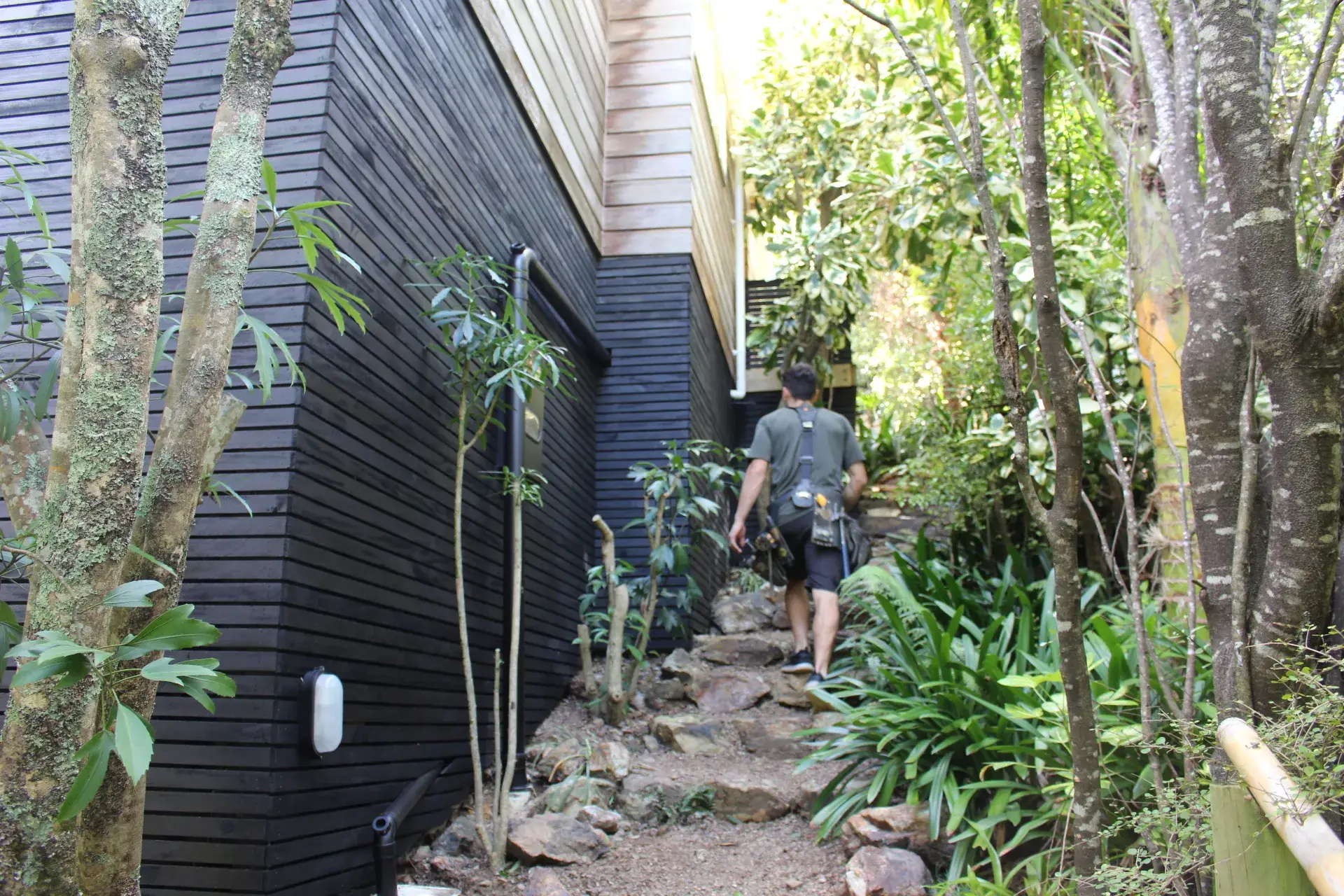
Choosing the right builder is possibly the single most important decision you will make throughout your entire home construction journey. The right builder brings more than just construction skills to the table — they bring local knowledge, established relationships with council and design consultants, reliable supplier networks, and the experience to navigate challenges without derailing your project.
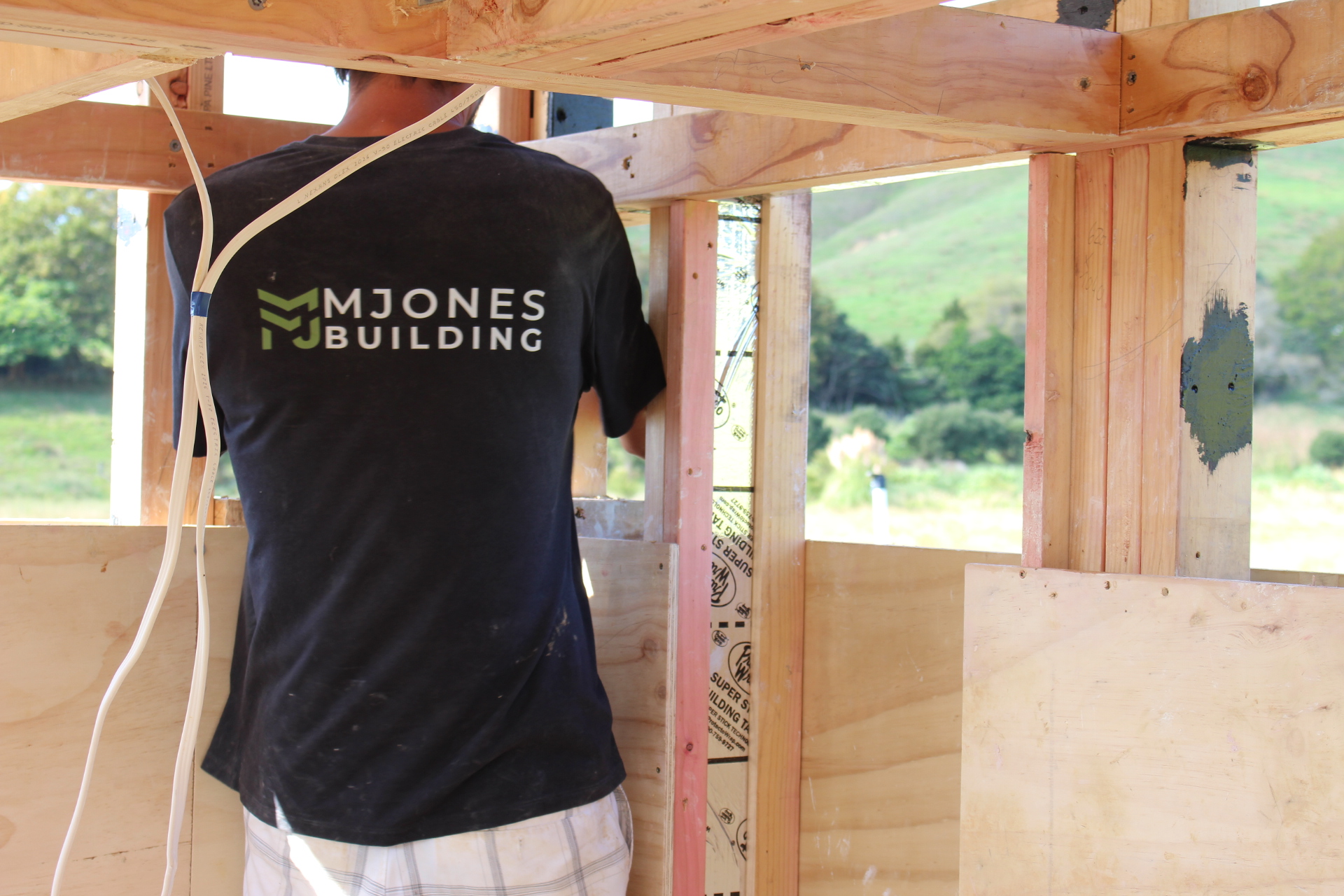
- Proven local experience. A builder who has completed multiple projects on Waiheke will understand the local council requirements, site challenges, and best suppliers to work with. Do not underestimate the value of this experience.
- A strong portfolio. Ask to see examples of previous work, ideally homes that are similar in scale and style to what you are planning. A reputable builder will be happy to share their portfolio and may even be able to arrange visits to completed homes.
- Clear communication. Your build will involve many decisions, updates, and problem-solving conversations. You want a builder who communicates clearly and regularly so you always know what is happening on site.
- Transparent pricing. Get a detailed quote that clearly outlines what is included and what is not. Be cautious of quotes that seem unusually low — these can often be a sign of corners being cut or costs being added later.
- Licensed Building Practitioner (LBP). In New Zealand, certain building work must be carried out by an LBP. Always confirm that your builder holds the appropriate licence for the work being done.
How Much Does It Cost to Build on Waiheke Island?
This is the question everyone wants answered, and it genuinely varies depending on the size of your home, the complexity of the design, the section you are building on, and the finishes you choose. As a general guide, residential construction in New Zealand currently sits in the range of NZD $3,000 to $5,000 or more per square metre for quality builds, with Waiheke typically sitting at the higher end of that range due to the added logistics of island living.
Key cost factors to be aware of include:
- Site preparation and earthworks, which can be significant on steep sections
- Freight and logistics for materials transported to the island by ferry or barge
- Professional fees for architects, engineers, and surveyors
- Building consent and resource consent fees from Auckland Council
- Infrastructure and service connections, particularly on off-grid sections
Common Mistakes Families Make During a Build
Even the most well-prepared families can find themselves caught off guard during a build. Knowing the common pitfalls in advance gives you a significant advantage going in.
Frequently Asked Questions
Conclusion
Building a family home on Waiheke Island is one of the most rewarding decisions you can make. It is a chance to create a home that is genuinely yours, in a place that genuinely inspires, surrounded by a community that genuinely cares. Yes, it requires careful planning and the right team around you — but when it comes together, there is nothing quite like it.
The key to a successful build comes down to preparation, patience, and choosing the right people to work with. Understand the regulations, choose your section wisely, invest in good design, and above all, work with a builder who knows and loves Waiheke as much as you do.
If you are ready to take the first step toward building your family home on Waiheke Island, the team at MJones Building would love to hear from you. Whether you are just starting to explore your options or are ready to get serious about your build, we are here to help you every step of the way. Contact MJones Building today and let us help you build smarter and live better on beautiful Waiheke Island.