
What to Do if You Have Mould in Your HomeYour Effective Guide
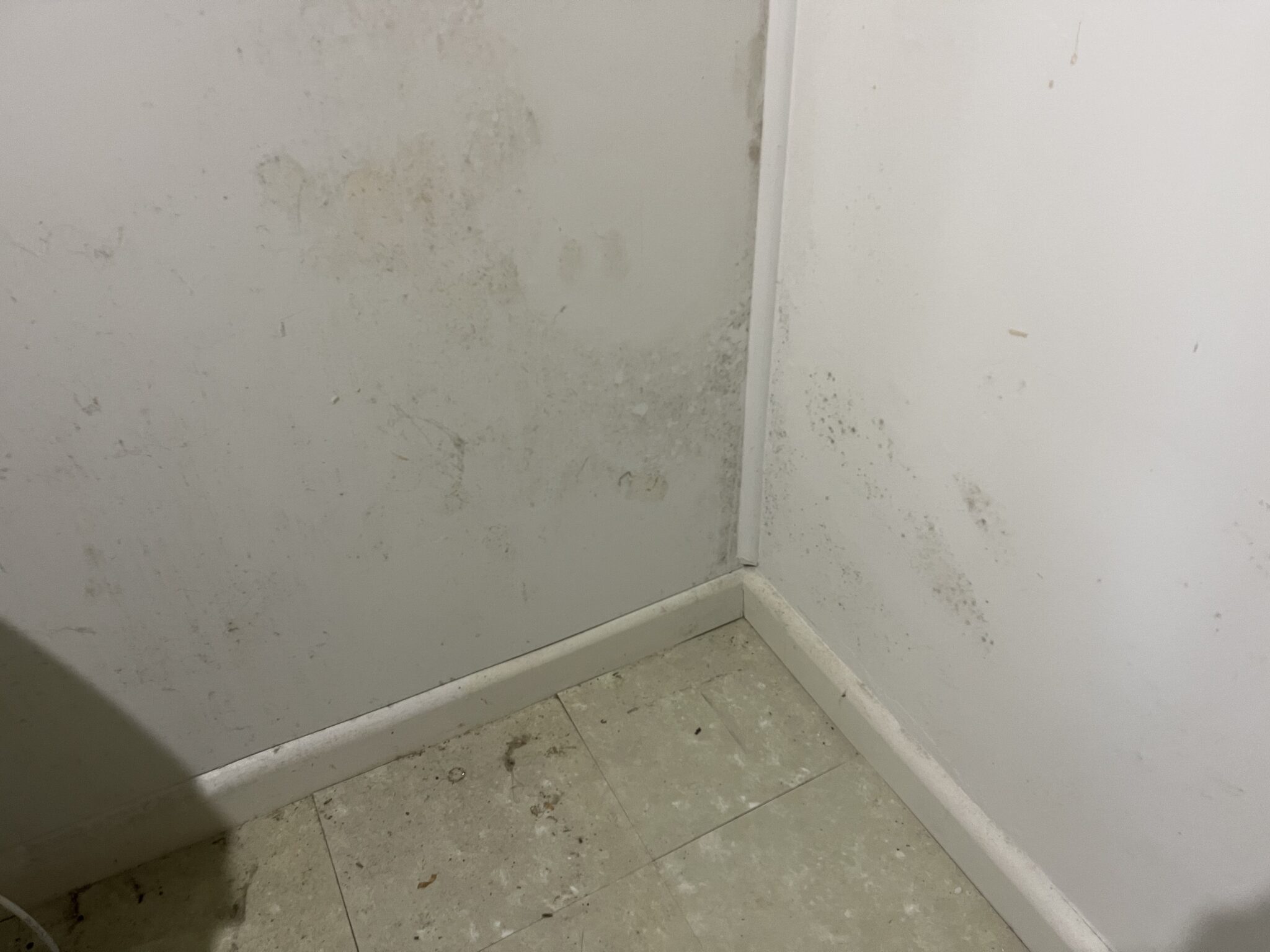
Mould is more than just an eyesore. It's a sign that something in your home's environment is out of balance. If you've spotted dark patches on your walls, noticed a persistent musty smell, or discovered damp spots you can't explain, this guide is for you. Here's everything you need to know about what mould actually is, why it appears, how to deal with it properly, and how to stop it coming back — especially in Waiheke's humid, coastal climate.
What is Mould?
Before you can deal with mould, it helps to understand what it actually is. Think of mould as nature's clean-up crew. It's a type of fungus made up of tiny thread-like roots called mycelium that spread through whatever it's feeding on. From this base, mould produces fine, fuzzy threads that release millions of microscopic spores into the air — its way of spreading and finding new food sources.
Outdoors, this process is essential. Mould breaks down fallen leaves, trees, and other organic matter, returning nutrients to the soil. Without it, the planet's recycling system simply wouldn't work. But while mould outside plays an important role, mould inside is a very different story.

Why Indoor Mould is a Silent Threat
You don't always have to see mould to have a mould problem. On Waiheke and across much of New Zealand, we live in a humid, coastal environment that provides the perfect breeding ground for mould spores. These spores are everywhere, floating invisibly through the air, waiting for the right conditions to grow: moisture + dust + warmth.
Dust is a major culprit. It's rich in organic material, and when it builds up, it becomes a buffet for mould and mites. If your home smells musty, or you notice damp spots or condensation, there's a good chance mould is already active — even if it's not visible yet.
How to Deal with Mould Properly
Wiping mould away might make it look clean, but it won't solve the problem. The first step is always to fix the cause — which is usually excess moisture. That might mean repairing a roof leak, improving ventilation, fixing drainage issues, or managing indoor humidity. Until the moisture problem is resolved, mould will continue to return.
Once the cause is fixed, remediation can begin. The right approach depends on the severity of the infestation:
- For mild cases (like window sills or bathroom corners), a natural cleaner such as vinegar can help
- For more severe infestations — where mould is visible on walls or ceilings, or paint is bubbling — it's best to call in a professional
- A proper remediation process should include air sampling to measure spore levels and identify mould species
- Sometimes the worst contamination is hiding in rooms that look perfectly fine — air testing reveals the true picture
A Real-World Example: How We Tackled a Serious Mould Problem
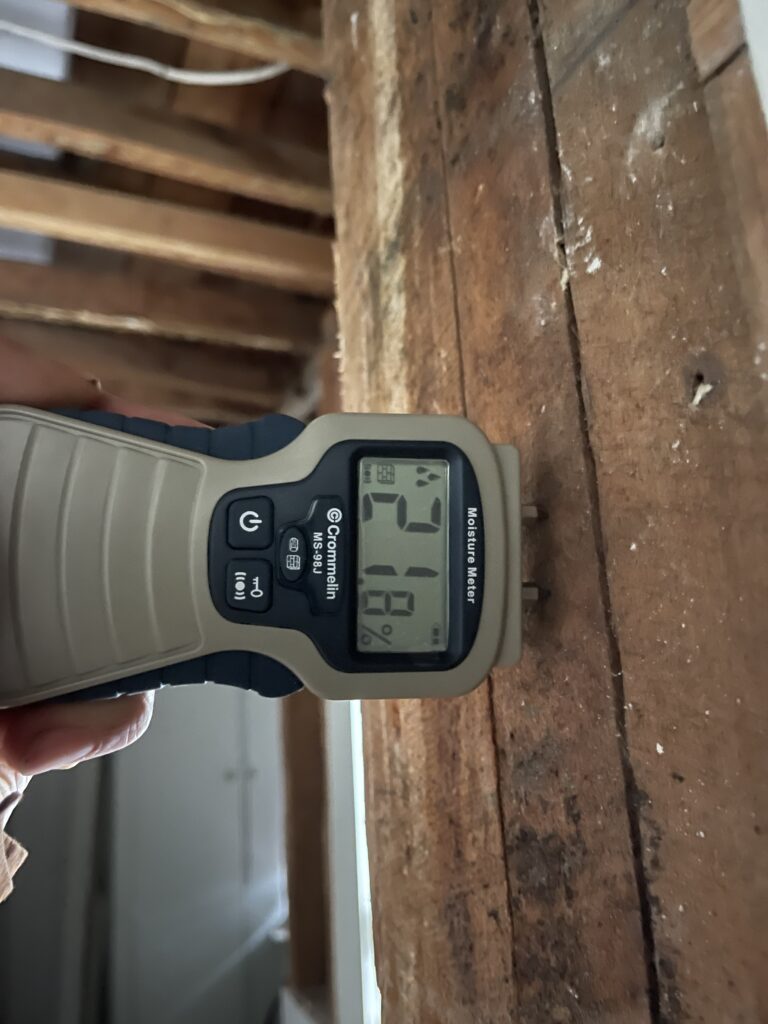
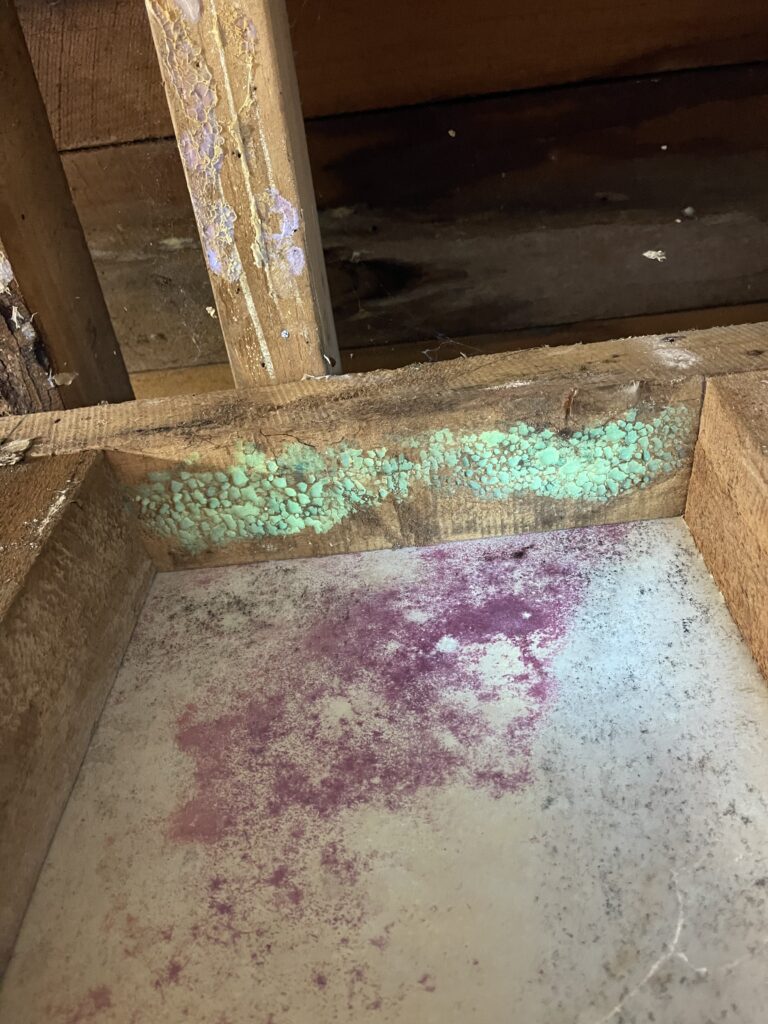
We recently worked on a home where mould had been caused by a roof leak. At first, only a few visible patches were noticed. But once we removed the linings, we uncovered widespread Stachybotrys — commonly known as toxic black mould — throughout the walls. Under a UV light, we even found colonies of bacteria glowing neon green on what looked like dry timber.
Air testing revealed something surprising: the room with the visible mould actually had fewer spores than the bedrooms and living areas. This showed how far spores can travel through the air and settle in unexpected places.
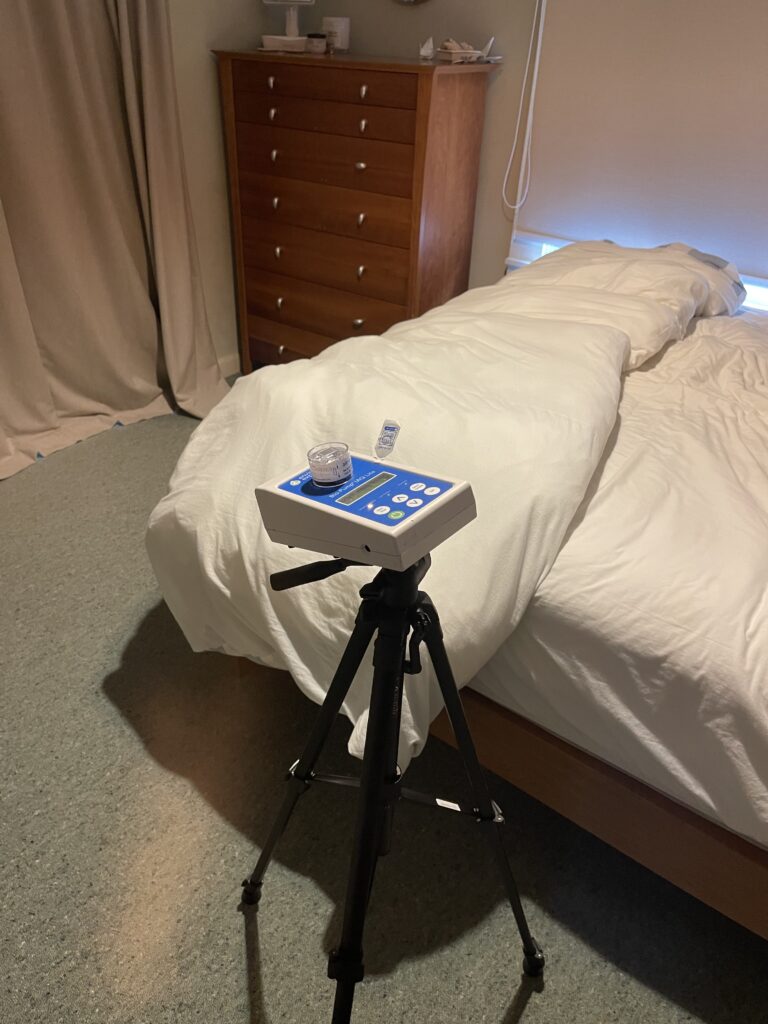
Before starting the full remediation, we ran dehumidifiers for a week and waited for lab results to confirm contamination levels. We then partnered with Clean & Safe Group to carry out the remediation. They fogged the entire house using a natural product called Enzycleanse — which works through an enzymatic process that breaks down the cellular structure of mould spores, completely eradicating them.
Preventing Mould in the Future
Keeping mould away long-term is all about managing moisture and airflow. Here are the key prevention steps every Waiheke homeowner should know:
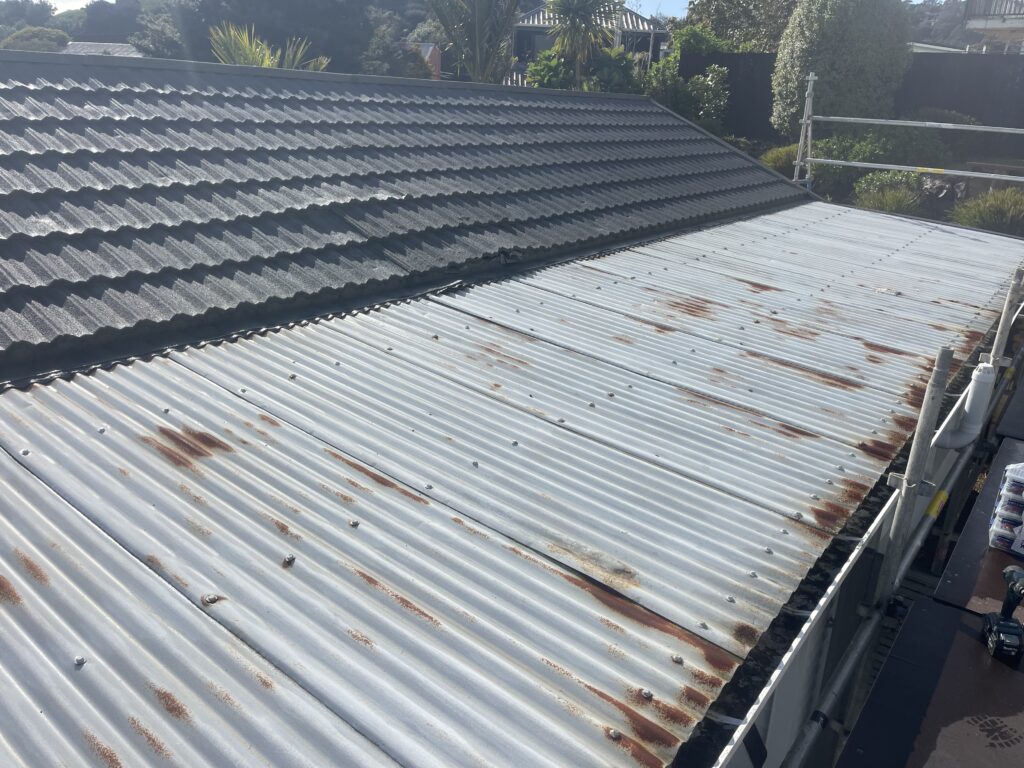
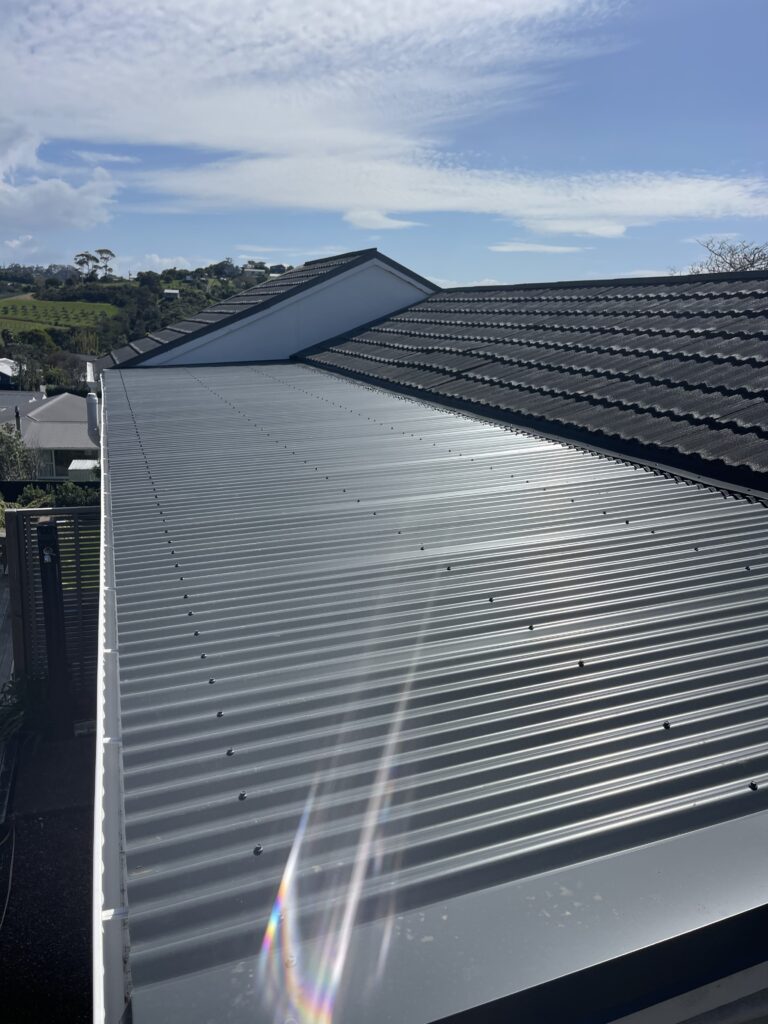
Before & After: Leaky Roof Renovation
The transformation below shows the result of a full mould remediation and repair following a leaky roof on Waiheke. What began as a few visible patches ended in a comprehensive treatment — restoring the home to a safe and healthy standard.
Frequently Asked Questions
Final Thoughts
Mould is more than just an eyesore — it's a sign your home's ecosystem is out of balance. If you notice a musty smell, condensation, or visible mould, act early. Fix leaks, improve ventilation, and don't hesitate to call an expert if it looks like more than a surface issue. The sooner you address it, the safer and healthier your home will be.
At MJones Building we are IICRC certified mould remediation specialists. We've seen firsthand how far a mould problem can spread beyond what's visible, and we know the right process to identify, treat and prevent it from returning — with minimal disruption to your home and family.
If you need help tackling mould in your Waiheke home, get in touch with our team for professional advice and remediation solutions.