
Choosing The Right WindowFor Your Waiheke Home
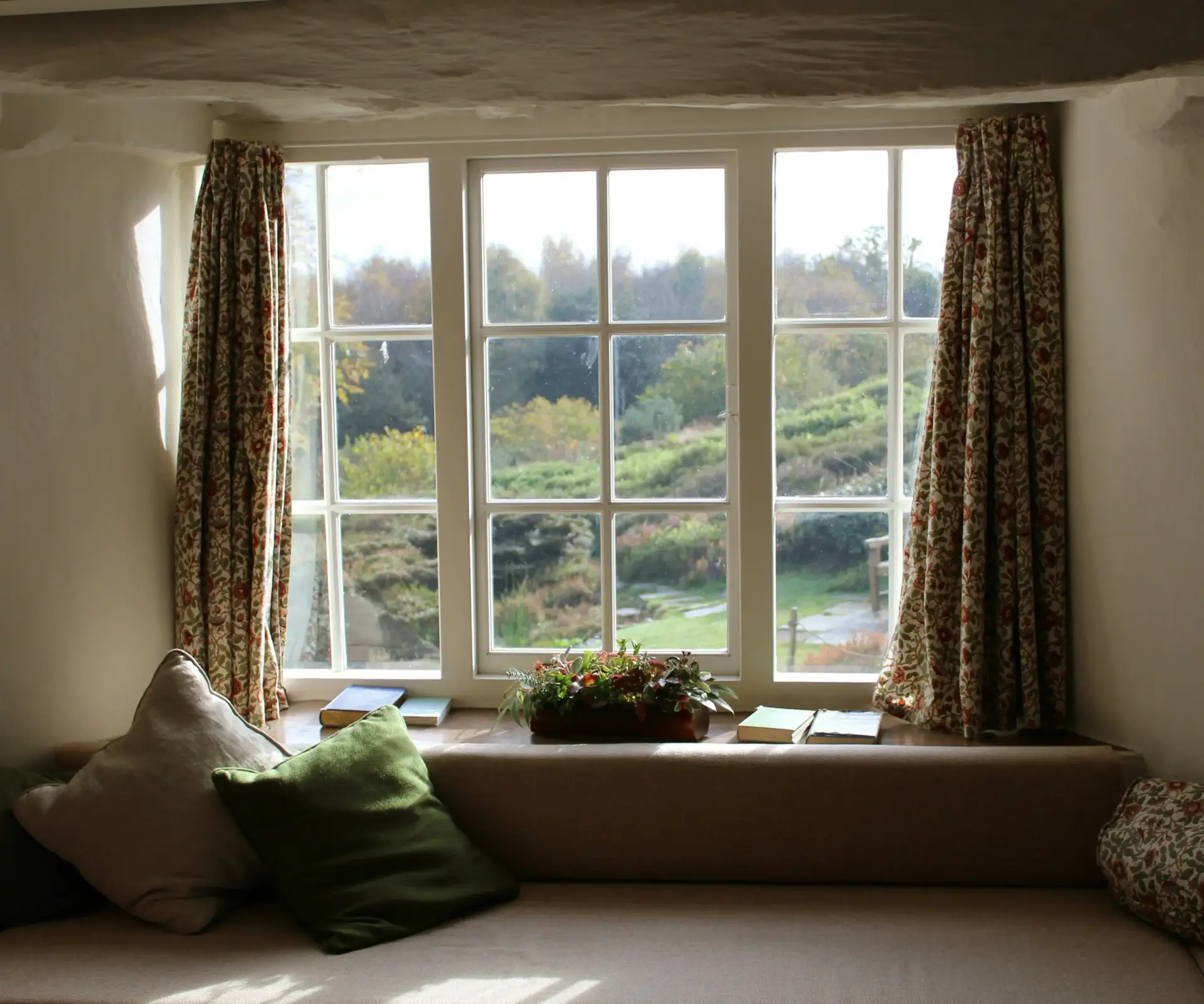
When renovating or building on Waiheke, it may be overlooked, but choosing the correct window is one of the most vital decisions you will make. Windows are more than just aesthetics — they affect the comfort of your home and have a big impact on energy efficiency. Most people will automatically default to aluminium double glazing because they believe that is the best option. But what if that choice could actually be costing you money on energy and even posing health risks for your family?
The Problem With Getting It Wrong
When you install a window, you are essentially cutting a hole in the wall and filling it with a transparent barrier. If you do not choose a sufficient barrier with enough thermal defence, you are basically leaving a gaping hole in the wall, allowing energy to escape.
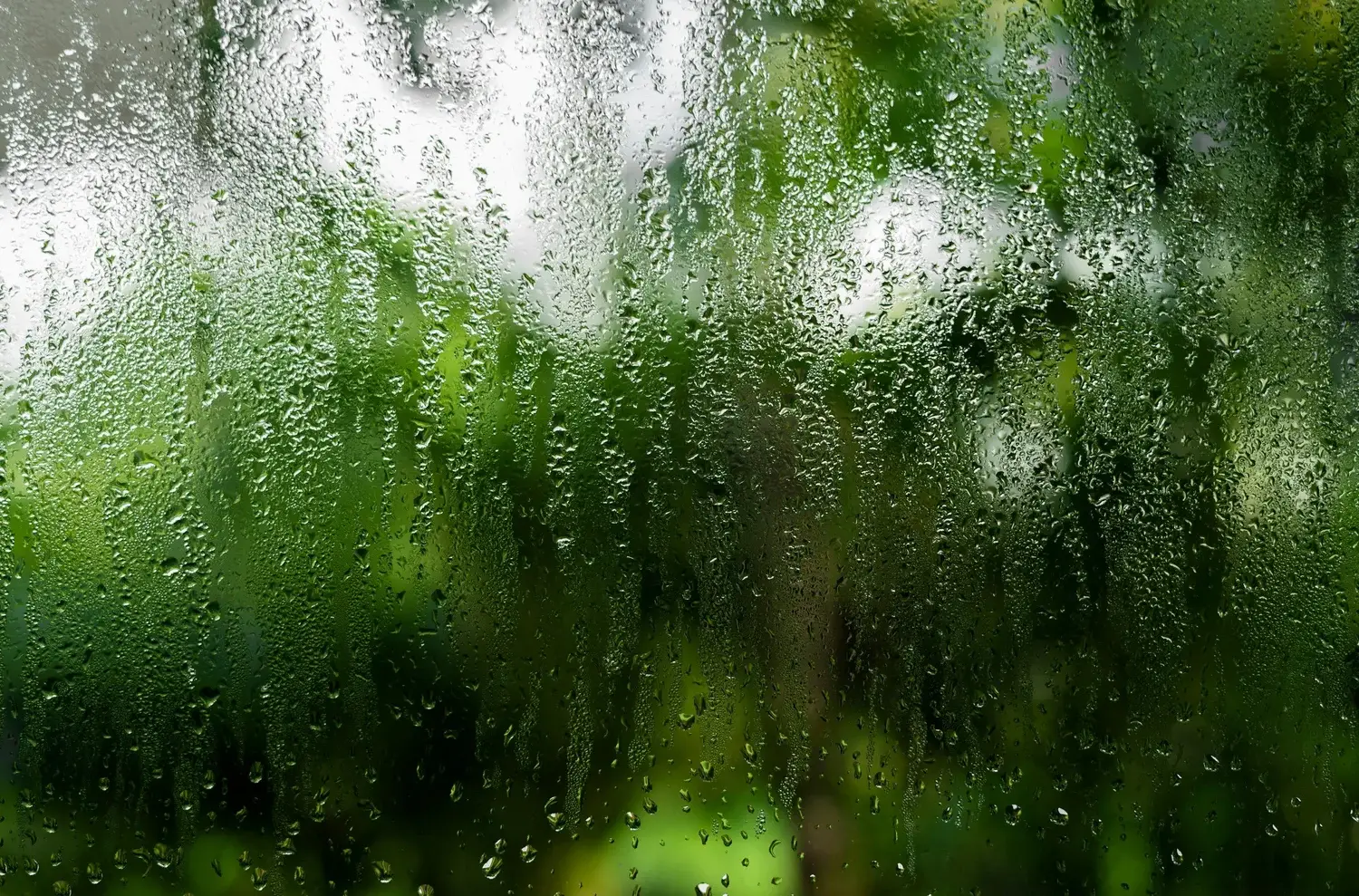
The problem with standard aluminium windows is that they are excellent heat conductors. This means temperature travels through the frame very easily — the aluminium frame becomes a channel for cold and hot air to move through, which means it takes more energy to warm and cool a home. This also creates the perfect conditions for condensation to form. When the outside temperature differs from the inside, moisture builds up on the frame, increasing the chances of mould growth, which can cause serious health problems for your family if left unnoticed.
Aluminium Windows
This is not to say aluminium should be ruled out altogether. Aluminium can still be a great choice. However, it is important not to rush out and buy a second-hand double-glazed window thinking you are getting a great deal. You want to make sure any aluminium window has a thermal break built into the design.
A thermal break, usually made from polyamide (a type of strong plastic), is sandwiched between the inner and outer parts of the frame. It acts as a barrier that stops the transfer of heat or cold — which is where the name comes from. So if you really like the look and durability of aluminium, make sure you choose one with a thermal break in the frame.
uPVC Windows
uPVC is a great option for the average homeowner who values comfort and energy savings. Thanks to its low thermal transmission, uPVC windows prevent condensation, are easy to maintain, and offer excellent noise reduction. However, they do come with some downsides — limited colour choices and styles mean they might not suit every type of home and can have some aesthetic limitations.
Timber Windows
The last and perhaps the most characterful option is timber-framed windows. This comes as no surprise on Waiheke. Timber windows are traditional in classic New Zealand homes, especially heritage properties, and are often made from native timbers. They bring genuine warmth and character to a home while offering exceptional insulation.

Which Window Is Right for You?
Choosing the right window really comes down to what you value most. If you prefer the traditional look and are happy to stay on top of maintenance, timber may be your best option. If you are looking for a budget-friendly and low-maintenance choice, uPVC is well worth considering. If you like a modern look and want something very robust, then aluminium with a thermal break might be the way to go.
Frequently Asked Questions
Conclusion
Choosing the right window for your Waiheke home is about more than looks. It is a decision that affects comfort, health, energy costs, and the long-term durability of your home. Taking the time to understand your options — and getting the right advice — will make a real difference to how your home performs for years to come.
For trusted guidance on Waiheke Island, MJones Building will be happy to assist you in choosing the right solution for your situation.