
5 Things Smart Homeowners DoWhen Planning a Renovation

Renovating your home is one of the most exciting — and sometimes stressful — decisions you'll ever make. Whether you're finally ripping out that dated kitchen, adding a deck, or turning a cramped bathroom into a more usable space, the planning stage is essential. Get it right, and the whole project flows seamlessly. Rush it, and you'll spend more time (and money) fixing mistakes than enjoying the results.
They Know What They Want and Why
It may sound obvious, but you'd be surprised how many people start a renovation with a vague idea and no clear outcome. "I just want it to feel more modern," or "I want more space," are starting points, not briefs. Before you call a builder or request a quote, spend time getting specific with the scope of work to be completed.
- What problem is this renovation solving?
- How do I want to feel in this space every day?
- Will this add long-term value to my home, or is it purely lifestyle-driven?
- What's my non-negotiable list versus my nice-to-have list?
Having a clear vision doesn't mean you need to have every tile picked out before you speak to anyone. It means you know your priorities. This clarity saves time during design, reduces back-and-forth with your builder, and helps avoid costly mid-project changes that may blow out your budget.
They Have Allowed a Buffer in the Budget
Every renovation has a number on paper and a number in reality. The gap between those two figures is where most homeowners get caught out. Surprise costs aren't bad luck; they're a predictable part of the process, especially in older New Zealand homes. The smart move isn't to hope they don't happen. It's to build a budget that can absorb them without derailing the whole project.
Open a wall in a pre-1990s home, and you might find non-compliant wiring. Pull up a bathroom floor and discover moisture damage underneath. Start on the plumbing, and learn that it doesn't meet current code. None of this is unusual. While a fixed price quote can help mitigate against some of the likely surprises, there is always the chance of unforeseeable conditions that may fall outside scoped works.
Here's how to build a buffer into your budget before you start:
- Set your real budget, then add 15–20% on top. That buffer isn't extra spending money; it's your financial shock absorber. Don't touch it unless you need it.
- Ask your builder the uncomfortable question. "What's most likely to go wrong in a project like mine?" A builder worth hiring will give you a straight answer.
- Get a pre-renovation inspection on older homes. A few hundred dollars upfront can save you thousands mid-build by flagging structural or compliance issues before work begins.
- Split your wishlist into tiers. Know what's non-negotiable and what can be cut or deferred. When something unexpected comes up, you'll already know what to trade off.
They Have Done Their Research on Consents and Compliance
This is the one that catches many homeowners off guard. Not every renovation requires a building consent, but many do, and the line between what does and doesn't require one isn't always obvious.
In New Zealand, you generally need a building consent for structural work, plumbing changes, and any work that affects the building's weathertightness. Failing to get the right consents doesn't just put your project at legal risk; it can affect your ability to sell the property down the track and could invalidate your home insurance.
Smart homeowners research:
- Whether their project needs a building consent from their local council
- How long consent approvals typically take in their area (it varies)
- Whether their site has any covenants, overlays, or heritage designations that could affect what they're allowed to build
- The difference between owner-builder allowances and work that must be done by a licensed building practitioner (LBP)
A good builder will guide you through this process, but going in with some background knowledge means you can ask better questions and move faster. The MJones Building team is happy to walk you through what your specific project is likely to require.
They Have Chosen the Right Builder — Not Just the Cheapest One
Price matters. Of course it does. But choosing a builder based on price alone is one of the most expensive mistakes you can make in a renovation. The lowest quote often means corners cut, materials substituted, or timelines that fall apart halfway through.
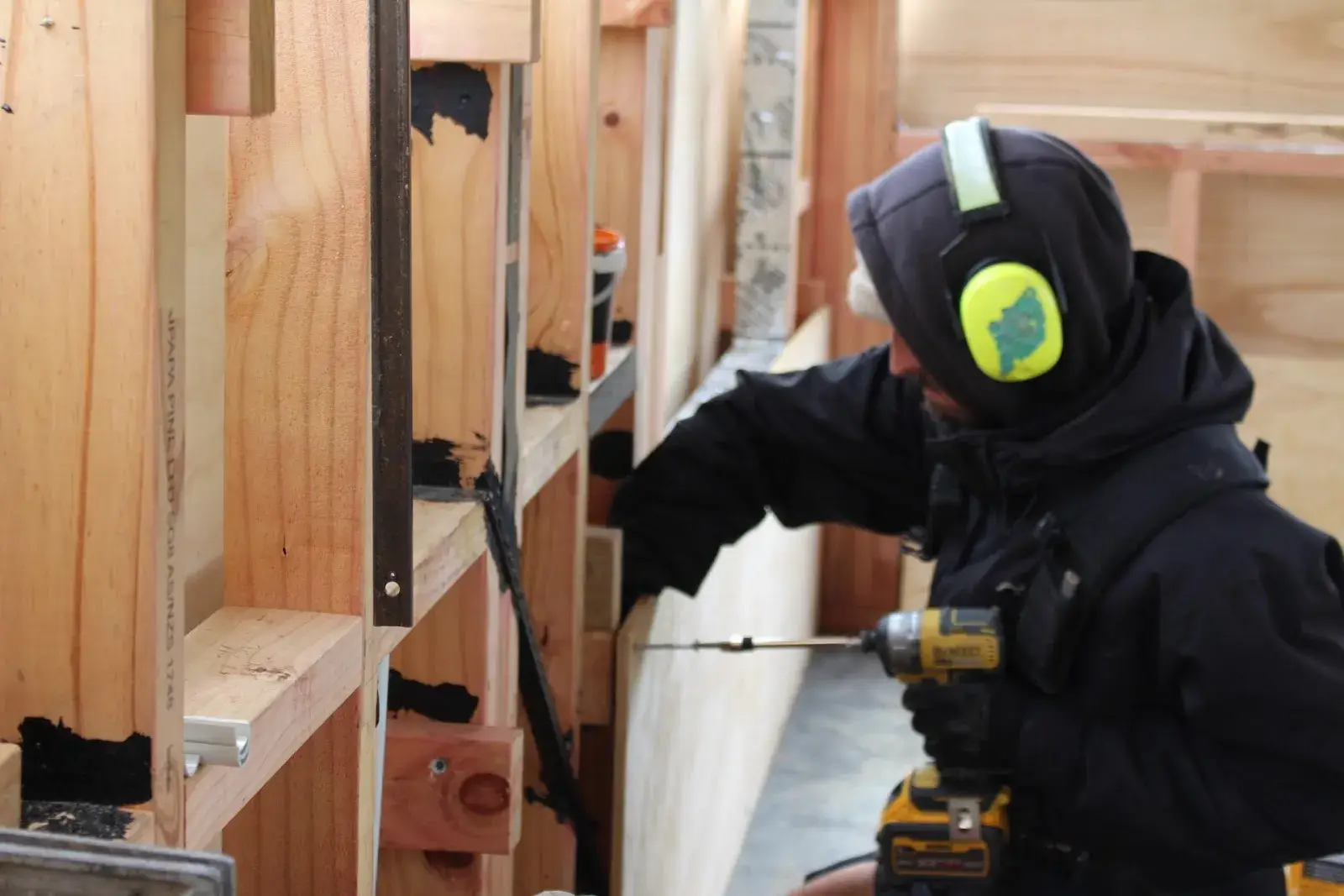
Smart homeowners look beyond the number on a quote and evaluate the full picture:
They Have Thought Through the Disruption and Made a Plan for It
Renovation disruption is real, and underestimating it is surprisingly common. Many homeowners picture a tidy transformation montage. The reality often involves dust through every room, a kitchen out of action for weeks, kids and pets navigating a worksite, and a temporary living setup that gets old fast.
This doesn't mean renovating isn't worth it — it absolutely is. But planning for the disruption in advance makes the whole experience far more manageable.
- Where will you store furniture, appliances, and belongings cleared from the work area?
- If your kitchen is being renovated, do you have a temporary cooking setup?
- Do you have young children or pets who need to be kept away from the site during work hours?
- Will you stay in the home, or is a short-term rental more practical for a major renovation?
- Have you communicated with neighbours about likely noise and access?
Your builder should provide a clear timeline with milestones. Make sure you understand which phases require you to vacate spaces, and plan around that. The more organised you are on your end, the smoother the whole thing runs.
Frequently Asked Questions
Conclusion
Planning a renovation doesn't have to feel overwhelming. The five things above — getting clear on your vision, budgeting realistically for unexpected costs, understanding consents, choosing the right builder, and preparing for disruption — will form a solid foundation for any successful project.
At MJones Building, the aim is to make the renovation process as clear and stress-free as possible. From the first site visit through to the final walkthrough, we manage every detail so you can focus on looking forward to the result and not worrying about the process.
Whether you're in the early stages of thinking or ready to get a quote, we'd love to hear about your project. Contact MJones Building today, and let's talk about what's possible for your home.