How to Choose Decking Materialsfor Your Waiheke Island Project
A deck is one of the most rewarding additions you can make to a Waiheke home — transforming outdoor space into a true extension of how you live. Whether you're after a peaceful retreat, a spot to entertain, or a platform to take in Waiheke's views, the right deck can do all of that. But in a coastal environment, the material you choose matters enormously. This guide covers everything you need to know before making that decision.
Enhance Your Waiheke Home with a Deck
A well-designed deck doesn't just add kerb appeal — it adds genuine value and practicality to your property. You can design it to accommodate outdoor features like spas, fireplaces, or BBQs, making it a year-round asset rather than a seasonal afterthought.
On Waiheke in particular, outdoor living is central to the lifestyle. A deck that's been thoughtfully designed and built from the right materials will serve you for decades, while one that cuts corners on material selection can deteriorate quickly in the island's demanding coastal conditions.
Coastal Conditions Demand Careful Choices
Salt air, moisture, UV exposure, and the ethical and environmental implications of your material choices all factor into what works on Waiheke. At MJones Building, we specialise in creating high-quality decks using sustainably sourced materials that stand up to the elements while enhancing your space.
Quality Hardwood Options
Hardwood remains one of the most popular and enduring choices for Waiheke decks. The key is selecting species suited to coastal conditions and sourcing them responsibly — look for FSC-certified timber wherever possible.
Kwila Decking
$80–$120 / m² excl. GST
Suitability
Ideal for Waiheke — naturally resistant to decay and insects
Appearance
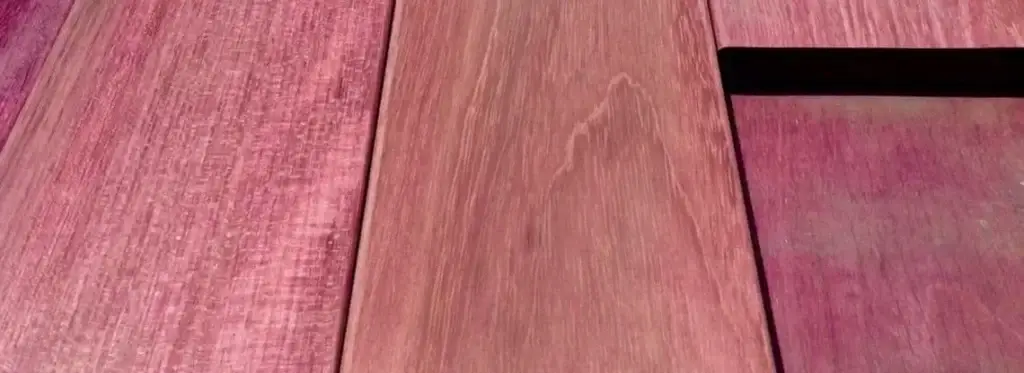
Rich reddish-brown hue
Longevity
25–40 years with proper care
Environmental Impact
Choose FSC-certified to reduce deforestation concerns
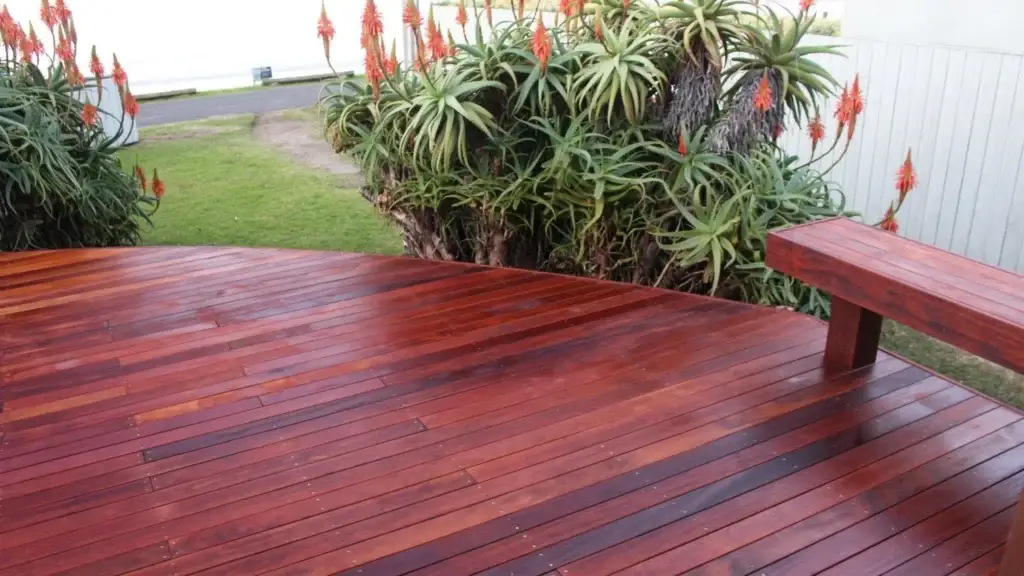
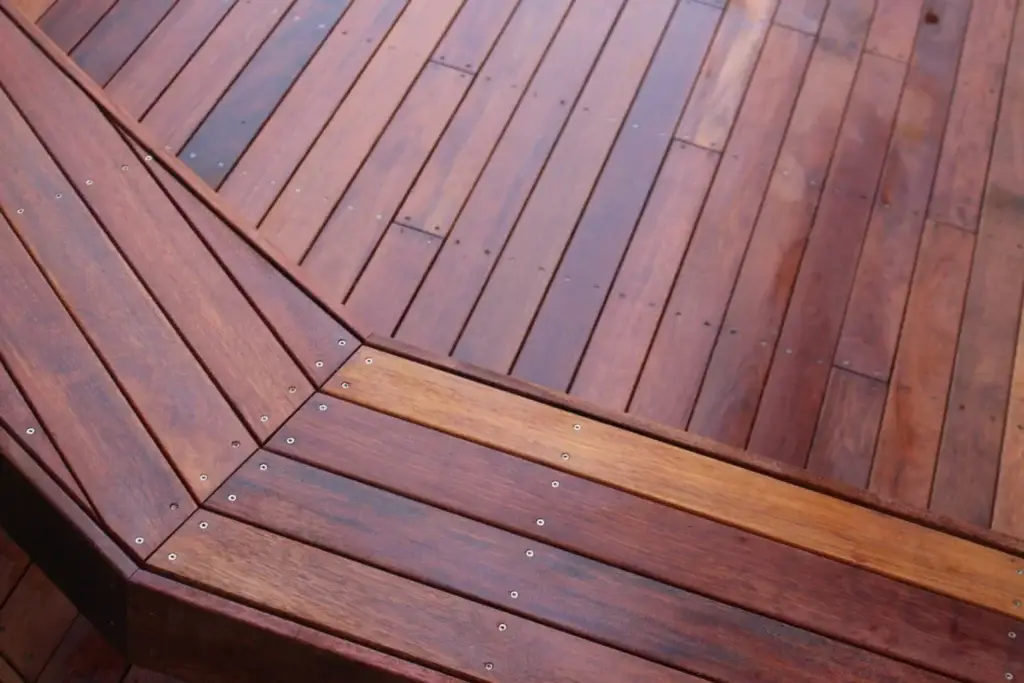
Kwila is one of the most widely used hardwoods for New Zealand decking, and for good reason. Its natural durability makes it well suited to Waiheke's coastal environment, and when properly maintained it delivers exceptional longevity at a mid-range price point.
A recent kwila deck in Oneroa — MJones Building
Vitex Decking
$105–$130 / m²
Suitability
Well-suited for Waiheke — durable and decay-resistant
Appearance
Light yellow to creamy-grey tones
Longevity
25–30 years with maintenance
Environmental Impact
Opt for FSC-certified for sustainability
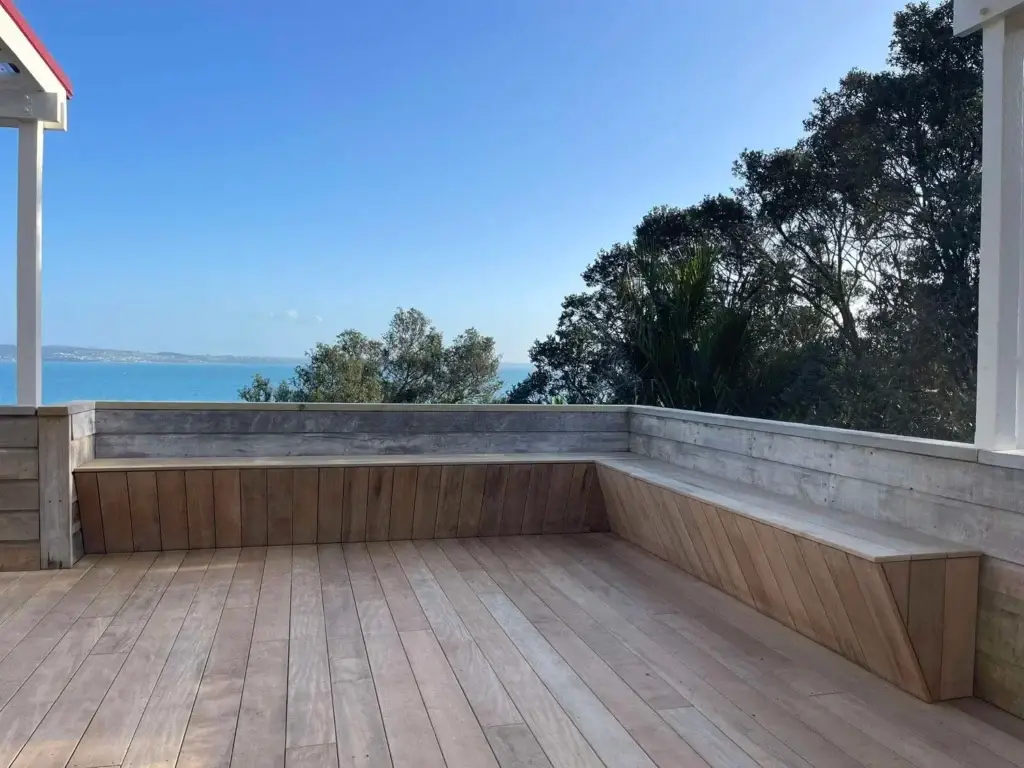
Vitex offers a lighter, more neutral aesthetic compared to kwila, which suits certain architectural styles particularly well. It's a strong performer in coastal conditions and ages gracefully with routine maintenance.
Vitex deck in Rocky Bay — Photo source: Hurford Wholesale NZ
Garapa Decking
$125–$180 / m²
Suitability
Ideal — naturally resistant to decay and insects
Appearance
Warm golden-brown, very durable
Longevity
25–30 years with care
Environmental Impact
Choose FSC-certified to ensure sustainability
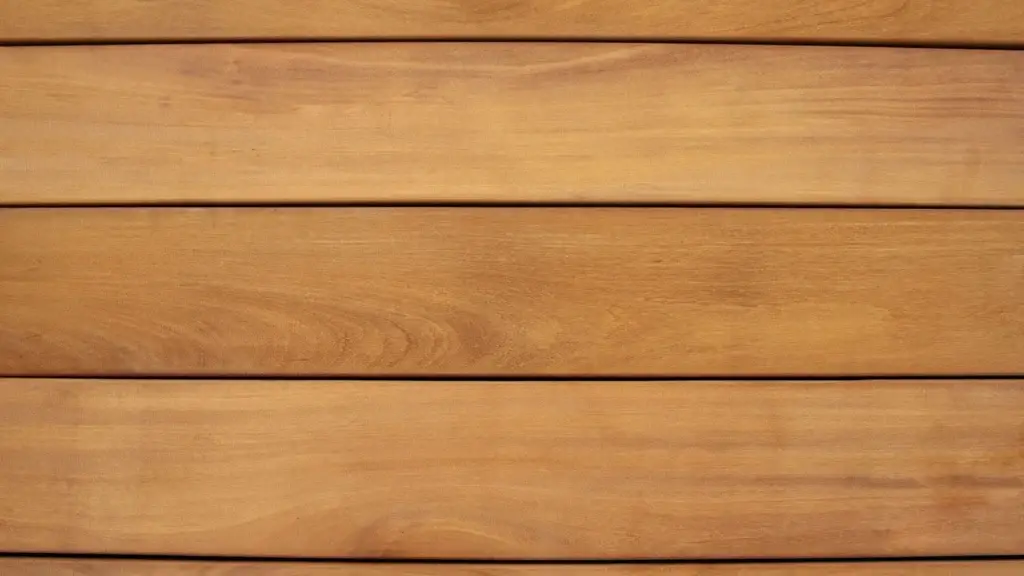
Garapa is a premium hardwood with a striking golden-brown colour that many homeowners find particularly appealing. Its natural density makes it highly resistant to wear and coastal exposure, and it holds its appearance well over time.
Photo source: Hurford Wholesale NZ
Accoya Decking
$240–$310 / m²
Suitability
Perfect for coastal environments — highly resistant to rot, decay, and insects
Appearance
Exceptionally stable and consistent
Longevity
50+ years
Environmental Impact
Made from sustainably sourced NZ radiata pine — 100% recyclable
Accoya is the premium choice for homeowners who want the look and feel of timber with exceptional long-term performance. Produced through an acetylation process using sustainably sourced New Zealand radiata pine, it carries a class 1 above-ground durability rating and is 100% recyclable — making it both the most durable and one of the most environmentally considered options available.
Photo source: BBS Timbers
Additional Material Options
Beyond the hardwood range, there are two further options worth understanding — each with distinct trade-offs that make them right for certain projects and budgets.
Pine Decking
$50–$130 / m²
Suitability
Moderate — requires regular maintenance in coastal conditions
Appearance
Classic Kiwi look, available in Premium and Merch grades
Longevity
10–15 years with proper care
Environmental Impact
FSC-certified pine supports local New Zealand forestry
Pine is the most accessible option by price, and it's a familiar choice for many New Zealand homeowners. On Waiheke, however, it demands more attention — salt air and moisture will accelerate its deterioration without consistent maintenance. It's best suited to lower-exposure areas or projects with a shorter intended lifespan.
Pine deck in New Lynn, Auckland
Composite Decking
$103–$210 / m²
Suitability
High — resistant to moisture, UV rays, and salt air
Appearance
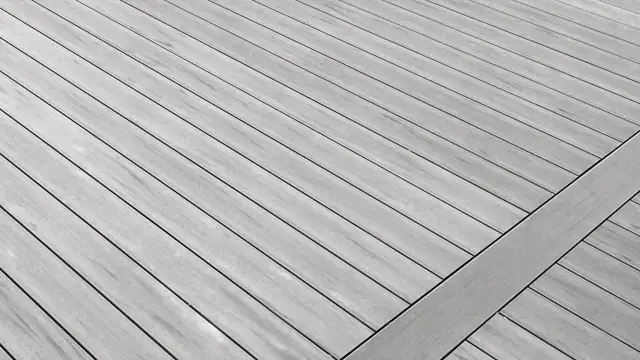
Mimics natural timber, available in a wide range of styles
Longevity
25–30 years with minimal maintenance
Environmental Impact
Often made from recycled materials, though manufacturing can be energy-intensive
Composite decking has improved considerably in recent years and now represents a genuinely compelling option for coastal homes. Its resistance to moisture, UV, and salt air is exceptional, and the low maintenance requirement is a significant advantage on Waiheke — particularly for holiday homes or properties that aren't occupied year-round. Pricing ranges from around $103/m² for products like Outdure through to $210/m² for premium options like Millboard.
Photo source: Outdure NZ
How to Choose the Right Material
With several strong options available, the right choice depends on your specific priorities. Consider these questions before making a decision:
Key Questions to Guide Your Decision
How much ongoing maintenance are you willing to do? Hardwoods require periodic oiling; composite and Accoya need very little.
What's your budget — upfront cost vs. long-term cost? Cheaper materials often cost more over a 30-year period.
How exposed is your site to salt air and direct weather? More exposure demands a more durable material.
Is sustainability important to you? Look for FSC certification on hardwoods, or consider Accoya or composite made from recycled content.
What aesthetic are you after? Hardwoods offer warmth and character; composite offers consistency and low upkeep.
Frequently Asked Questions
In a coastal environment with UV exposure and salt air, most hardwood decks benefit from oiling once a year — typically in spring after the wetter months. High-traffic or more exposed areas may benefit from an additional coat. Using a quality penetrating oil suited to the specific timber species will give the best protection and extend the life of the board significantly.
Composite is often the ideal choice for Waiheke holiday homes that aren't occupied year-round. Because it requires minimal maintenance — no oiling, no sealing, just an occasional wash down — it performs well even when the property isn't regularly attended to. Hardwood left without maintenance for extended periods can deteriorate more quickly, so composite offers real peace of mind for absentee owners.
FSC (Forest Stewardship Council) certification means the timber has been sourced from forests managed to strict environmental and social standards — covering sustainable harvest rates, biodiversity protection, and workers' rights. For tropical hardwoods like kwila, vitex, and garapa, FSC certification is particularly important as it ensures your deck isn't contributing to deforestation. Always ask your builder or supplier to confirm the certification before purchasing.
Yes — but the structure needs to be designed for it from the outset. Spas in particular add significant weight loading that requires specific engineering in the framing and substructure. If you know you want a spa, BBQ area, or outdoor kitchen, make sure you discuss this with your builder at the design stage so the deck is built to the correct specification rather than retrofitted later.
It depends on the height and size of the deck. Generally, decks that are no more than 1.5 metres above ground and under a certain square metreage may be exempt from consent — but there are nuances, particularly for properties in coastal or special character zones. Your builder can advise based on your specific site and proposed design, and will manage any consent applications required as part of the project.
Why Choose MJones Building?
At MJones Building, we're passionate about delivering high-quality decking solutions tailored to your specific needs and your property's unique conditions. From the initial design conversation through to handover, we work closely with you to ensure your deck is both visually stunning and structurally sound — built to withstand the challenges of Waiheke's coastal environment.
We prioritise sustainably sourced materials and bring genuine local knowledge to every project. Whether you're drawn to the warmth of kwila, the longevity of Accoya, or the low-maintenance appeal of composite, we'll help you make an informed decision and build it to last.
Ready to start planning your deck? Get in touch with our team to discuss your project and find out what's possible for your Waiheke home.