
Bathroom Renovation WaihekeWhen to Call a Licensed Builder
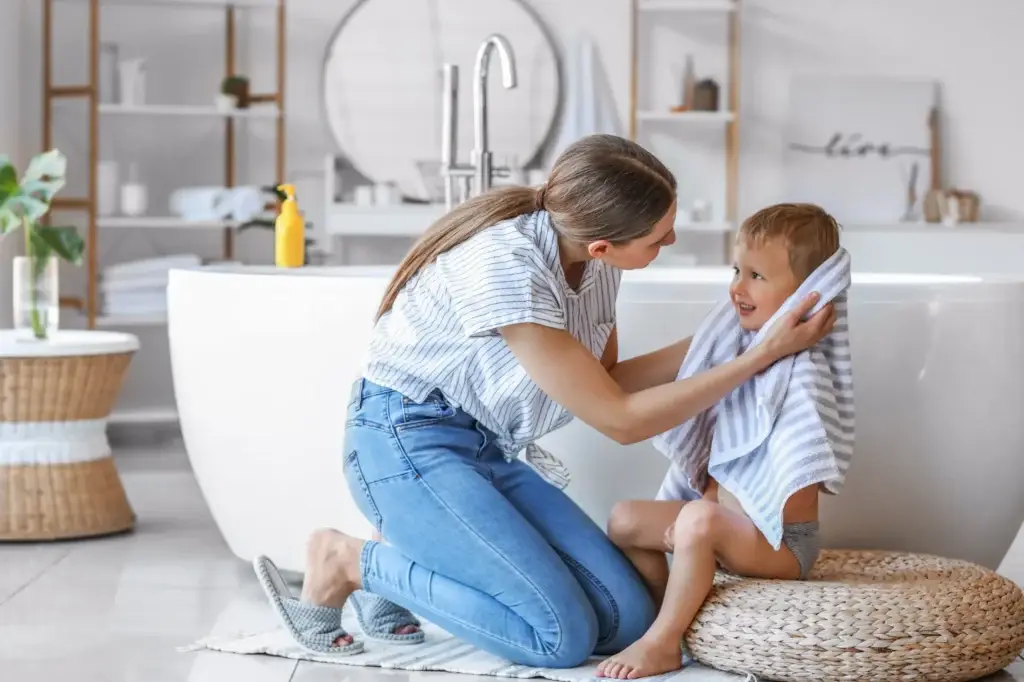
Living in a coastal home on Waiheke Island is a privilege — but it comes with its own set of building challenges. The salty air, humidity, and island environment can take a real toll on bathrooms, particularly in older bach-style properties. Knowing the early warning signs of moisture damage and poor ventilation, and understanding when to call a licensed builder, can save you from costly repairs down the track.
The Coastal Bathroom Challenge
Coastal homes face conditions that are simply harder on building materials than homes further inland. Salt air accelerates corrosion, humidity lingers longer, and older properties often weren't built with modern waterproofing standards in mind. Bathrooms, as the wettest room in the house, are the first to show the strain.
On Waiheke in particular, bach-style homes — many of which were built decades ago — can lack adequate ventilation systems, moisture-resistant linings, and proper waterproofing membranes. What starts as a small cosmetic issue can quickly become a structural problem if left unaddressed.
Signs of Moisture Damage
Moisture damage is one of the most common bathroom issues in coastal homes. The combination of humidity and salt air can deteriorate materials over time, often starting subtly before becoming a serious problem. Here's what to look out for:
- Grout cracking or coming away around tiles, especially in shower areas or near the bathtub
- Silicone seals peeling off, leaving gaps that allow water to seep into walls or floors
- Mouldy or damp GIB (plasterboard), which indicates excessive moisture exposure in walls or ceilings
- Soft or spongy areas on the floor or walls, suggesting water has been absorbed into the materials beneath
Signs of Poor Ventilation
Bathrooms without adequate ventilation are prone to persistent dampness — a problem that creates both moisture damage and mould over time. This is especially common in older bach-style homes that lack modern extraction systems. Without sufficient airflow, humidity from showers and baths has nowhere to go.
- Condensation on mirrors, windows, or walls that lingers long after a shower
- Damp, musty smells that persist in the bathroom even when it hasn't been recently used
- Visible water droplets on walls or ceilings after bathing
- Humidity that doesn't clear up quickly, leaving the room feeling damp and uncomfortable for hours
- Consider a humidistat-controlled extraction fan — it automatically increases airflow based on the moisture level in the room.
- Unlike standard fans that rely on remembering to switch them on, these run only when needed.
- They help regulate humidity passively, preventing the moisture build-up that leads to mould and damage.
- Ask your builder whether this is a practical upgrade for your bathroom layout.
Renovate Before the Damage Worsens
Coastal homes face specific bathroom challenges — moisture damage, mould, and poor ventilation are at the top of the list. Identifying early signs like cracking grout, peeling silicone, and damp plasterboard is crucial to preventing further damage and maintaining a healthy living environment.
If you notice these issues, the worst thing you can do is wait. What might start as a cosmetic fix quickly escalates into structural repairs that are far more disruptive and expensive. Calling a licensed builder early is the most cost-effective step you can take.
A professional will remove damaged materials, install effective waterproofing and ventilation systems, and help ensure your bathroom stands up to Waiheke's coastal elements for years to come.
Why You Need a Licensed Builder in New Zealand
Frequently Asked Questions
Ready to Renovate?
Bathroom issues in coastal homes rarely resolve on their own — the sooner they're addressed, the less disruptive and costly the work becomes. Whether you're dealing with early signs of moisture damage, a ventilation problem that's been bothering you for years, or simply ready to bring an older bach bathroom up to a modern standard, the right starting point is a conversation with a licensed builder who understands Waiheke's unique environment.
Matt Jones, Licensed Builder at MJones Building, specialises in coastal renovations on Waiheke Island. With hands-on experience working with the island's specific conditions and supply chain realities, MJones Building brings the kind of considered, detail-oriented approach that results in bathrooms built to last.
If you're experiencing moisture damage, poor ventilation, or any of the signs described above, get in touch for a consultation and find out what a properly planned bathroom renovation could look like for your Waiheke home.