
What Does Sustainable Building Really Meanfor Your Waiheke Home?
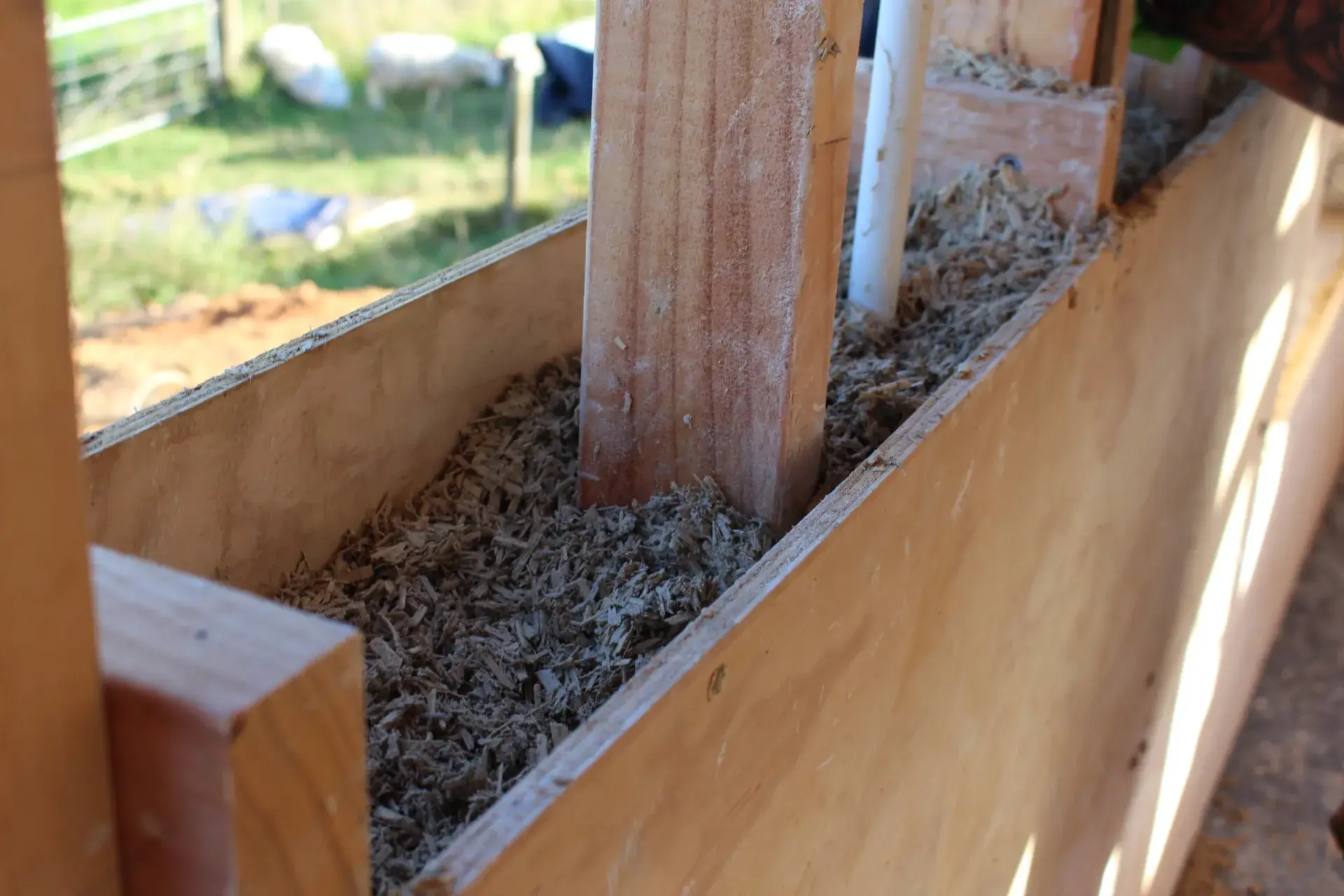
If you are about to start a building or renovation project on Waiheke Island, you may have heard the term "sustainable building". You hear it everywhere, in brochures, on builders' websites, during hardware store chit-chat. But what does that really mean for your home? Sustainable building is not a fad or marketing gimmick. It's a common-sense way to build that can save money, make a space more energy efficient and more livable all at the same time. And for Waiheke homeowners, it is something that you need to understand thoroughly before starting any project.
What is Sustainable Building
At its core, sustainable building, sometimes called green building or eco-construction, is about designing and constructing homes that are efficient, durable, and kind to the environment. According to the New Zealand Green Building Council, sustainable building considers the full lifecycle of a home: from the materials used to the energy it consumes, to how it eventually gets decommissioned.
In practical terms, that means thinking about things such as:
- Where your building materials come from and how they're made
- How well your home retains heat in winter and stays cool in summer
- How much water your household uses and whether it can be recycled
- How much waste is generated during and after construction
- The long-term health and air quality inside your home
None of this has to mean a full off-grid setup with solar panels and composting toilets (although those are great options). Sustainable building can be as straightforward as selecting the best insulation, sourcing timber locally, or orienting your home for natural light and lower heating costs.
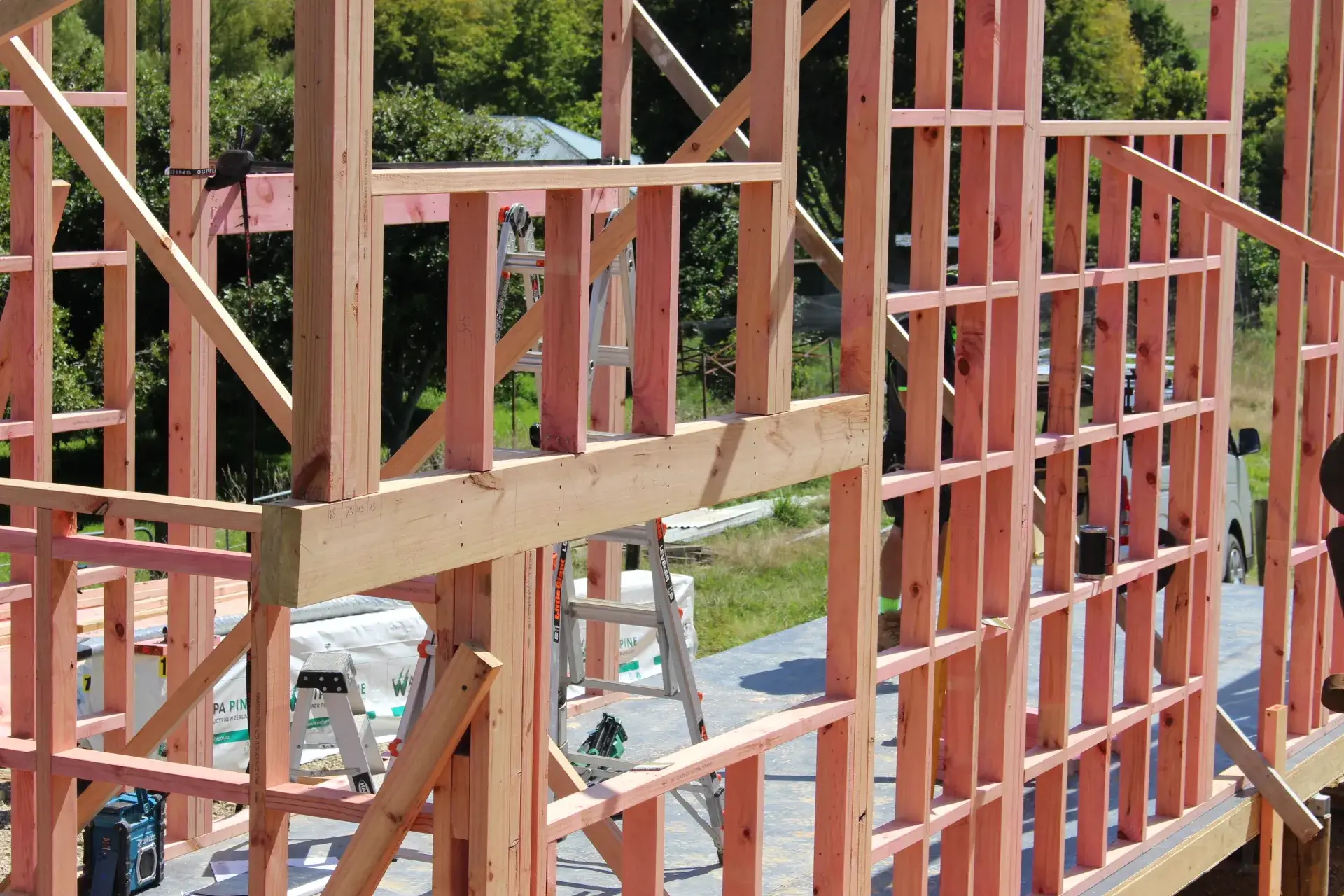
Why Sustainable Building Matters More on Waiheke Island?
Waiheke has its own context for building. As an island community, the decisions made by individual homeowners have a more visible impact on the local environment. The island's lush landscape, limited resources, and ferry-dependent supply chain all make sustainable thinking not just a nice idea but a genuinely smart one.
Transporting materials across to Waiheke involves added cost and carbon. If you build with durable, low-maintenance materials, the number of times you have to replace materials is lower and long-term costs are reduced. Efficient rainwater management around your home also takes a load off of local water systems. These are not abstract environmental arguments. These are real, practical benefits that affect your daily life and your wallet.
What are the Key Principles of Sustainable Building?
What to Look for in a Home Builder?
The overall sustainability of your home starts before the first nail gets hammered in. The planning and design phase is where all the heavy lifting occurs in terms of decisions made, which is why it's so important to partner with a builder who understands sustainable principles and not just someone who plugs numbers into a checklist.
When you're choosing a builder for your Waiheke renovation or new home, ask them:
- How do you handle waste during the build?
- Do you source materials locally from New Zealand suppliers, possibly where?
- Are you able to advise on insulation and passive design?
- What do you know about energy efficiency requirements in New Zealand's Building Code?
They'll have honest, confident answers to all of these. And if they don't, that's a red flag for you; the builder who does genuinely prioritise quality and sustainability will. You can also browse a full spectrum of building and renovation services, to get a feel for what a considered, well-organised project looks like.
Is Sustainable Building More Expensive?
That's potentially the most popular question, and a legitimate one at that. The candid response is: sometimes the upfront costs are a little higher, but the savings in the long term almost always pay off.
Think about it this way: a well-insulated home is cheaper to heat. Stronger materials mean longer lasting and more durable results with less repairs and replacements. Water-efficient systems also reduce your bills. Over the course of a home's lifespan, these savings can add up to far more than any initial investment.
Frequently Asked Questions
Conclusion
Sustainable building on Waiheke isn't about doing everything perfectly, it's about making considered decisions that accumulate over time. So whether you're doing a full renovation, an addition or new construction from the ground up; knowing these principles can give you the foundation to make decisions that will continue delivering quality results and positive health effects for years to come.
These thoughtfully sustainable homes take a bit of time to come together. They start with good conversations and detailed planning, and a builder who actually cares about what they're crafting (rather than just getting things in place and doing the shortest possible turnaround).
For quality renovations and new builds on Waiheke Island look to MJones Building as your trusted advisor and builder. We take care to see the whole process is inclusive, thorough and of high standard from consultation, straight through to handover.
Ready to get started? If you're interested in learning more about how sustainable building principles could apply to your Waiheke home, or are interested in taking the first step towards your sustainable renovation or new build, then contact us!